
Watchmakers and watch companies starting with the letter V
Visit venerable watchmakers and valued watch companies starting with the letter V. Discover their histories, innovative designs, and expert craftsmanship. Ideal for horology enthusiasts and collectors!
Vacheron Constantin SA
A Legacy of Timeless Craftsmanship Since 1755
Vacheron Constantin SA is one of the most prestigious Swiss manufacturers of luxury watches and clocks. Founded in 1755 by Jean-Marc Vacheron in Geneva, it holds the distinction of being the world’s oldest watchmaker in continuous operation.
At the age of 24, Jean-Marc Vacheron took on his first apprentice, signalling his intention to pass down his watchmaking expertise and formally establishing his workshop. His son, Abraham Vacheron, took over the business in 1785 and successfully steered it through the turbulent years of the French Revolution (1789–1799).
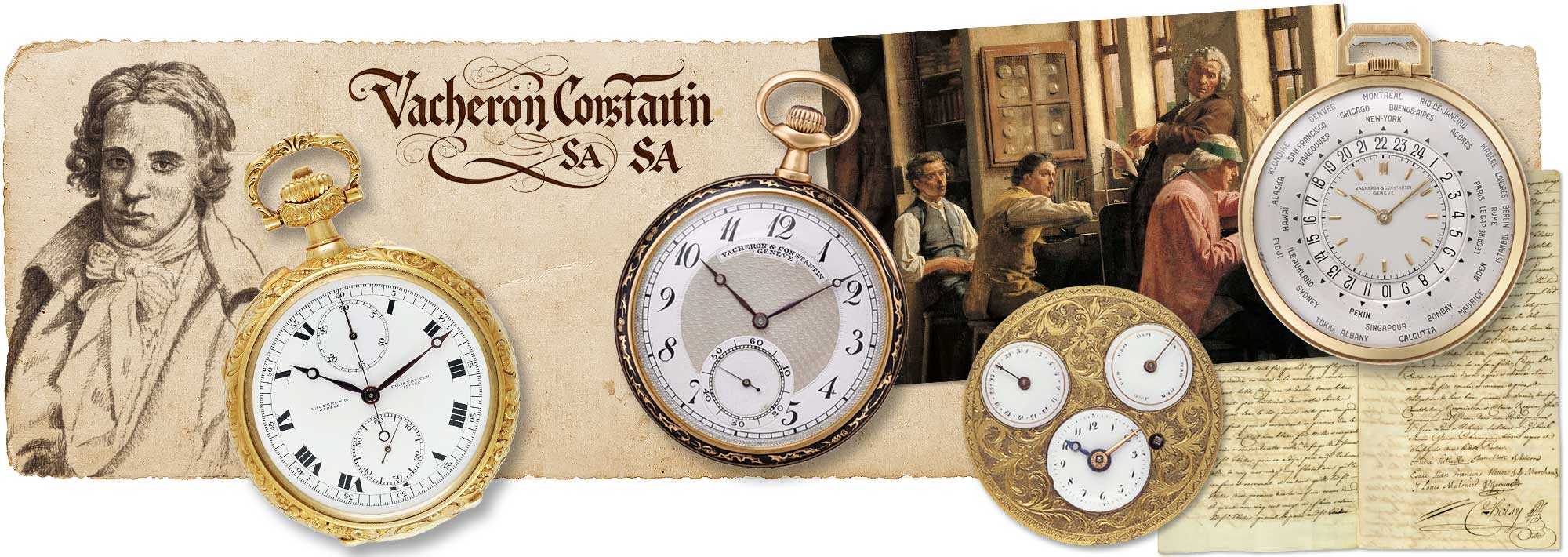
In 1770, the company introduced the world’s first horological complication, and in 1779 it created its first engine-turned dials—both key innovations that positioned the brand at the forefront of watchmaking. In 1810, Jacques-Barthélemy Vacheron, the founder’s grandson, became head of the company. He was responsible for initiating exports to markets such as France and Italy. Realizing he needed support to expand further, Jacques-Barthélemy partnered in 1819 with François Constantin, a dynamic businessman who traveled extensively to promote the brand—especially in North America. This partnership gave rise to the name Vacheron et Constantin. That same year, François Constantin wrote in a letter the phrase that would become the company’s enduring motto: “Do better if possible, and that is always possible.”
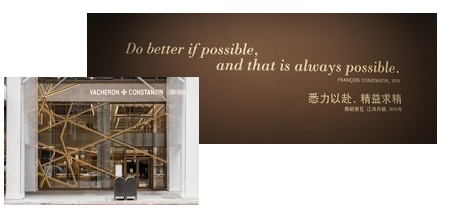
In 1877, the company officially adopted the name Vacheron & Constantin, Fabricants, Genève. Under this banner, the brand continued to grow and innovate through the 19th and early 20th centuries.
In the 1970’s, during the quartz crisis that disrupted the Swiss watch industry, the company simplified its brand name to Vacheron Constantin, dropping the ampersand. Around this time, it also incorporated the, now, iconic Maltese Cross into its dial designs, further strengthening its brand identity. In 1985, following a takeover by Sheikh Yamani, the former Saudi oil minister, the name Vacheron Constantin was formally established as the brand’s official name—a name that has remained unchanged since.
Today, Vacheron Constantin continues to be a symbol of tradition, precision, and innovation in the world of haute horlogerie, honoring over two and a half centuries of uninterrupted craftsmanship.
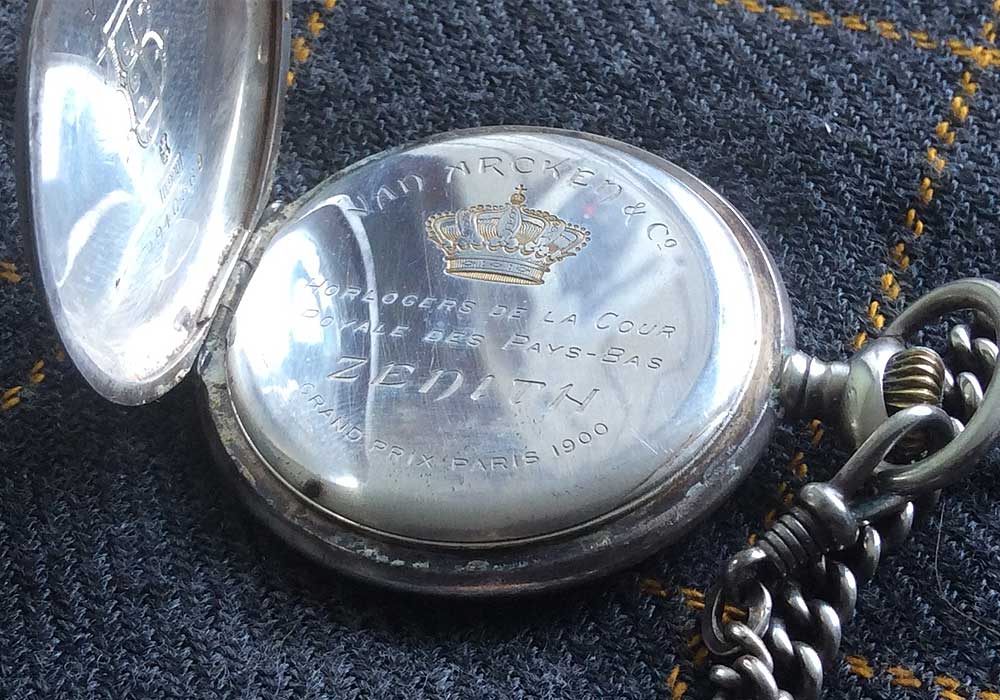
Van Arcken & Co
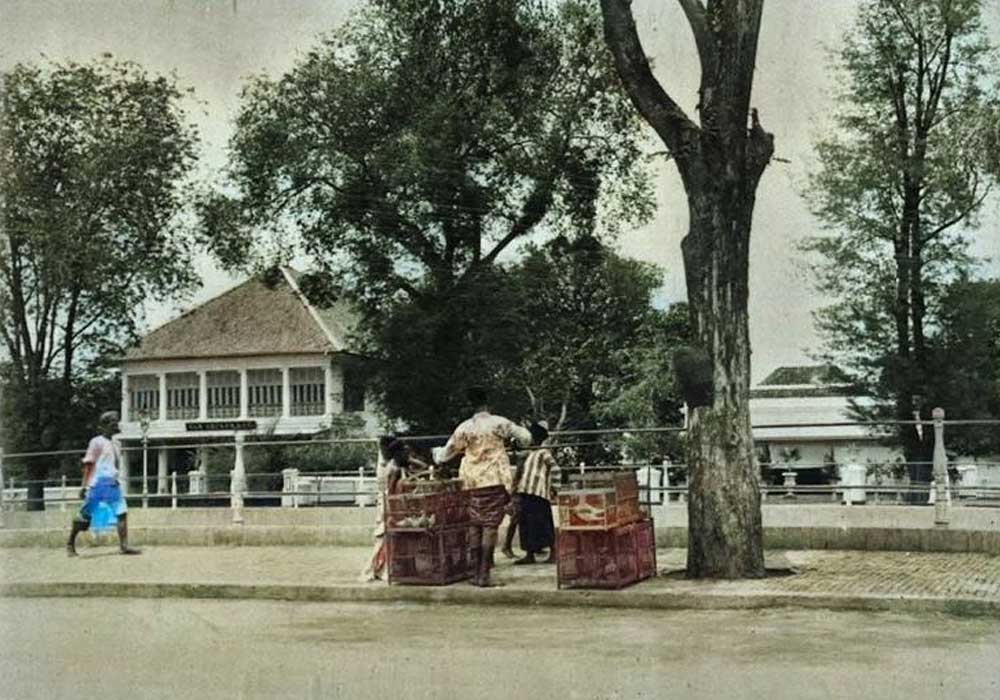
Firma Van Arcken & Co was a jewellery company/goldsmith in the Dutch East Indies between 1861 and 1958. This jewellery company/goldsmith was one of the largest in the Dutch East Indies, now Indonesia. In its heyday, the company, located in the capital Batavia, had no less than 120 employees.
van Leeuwen, Simon
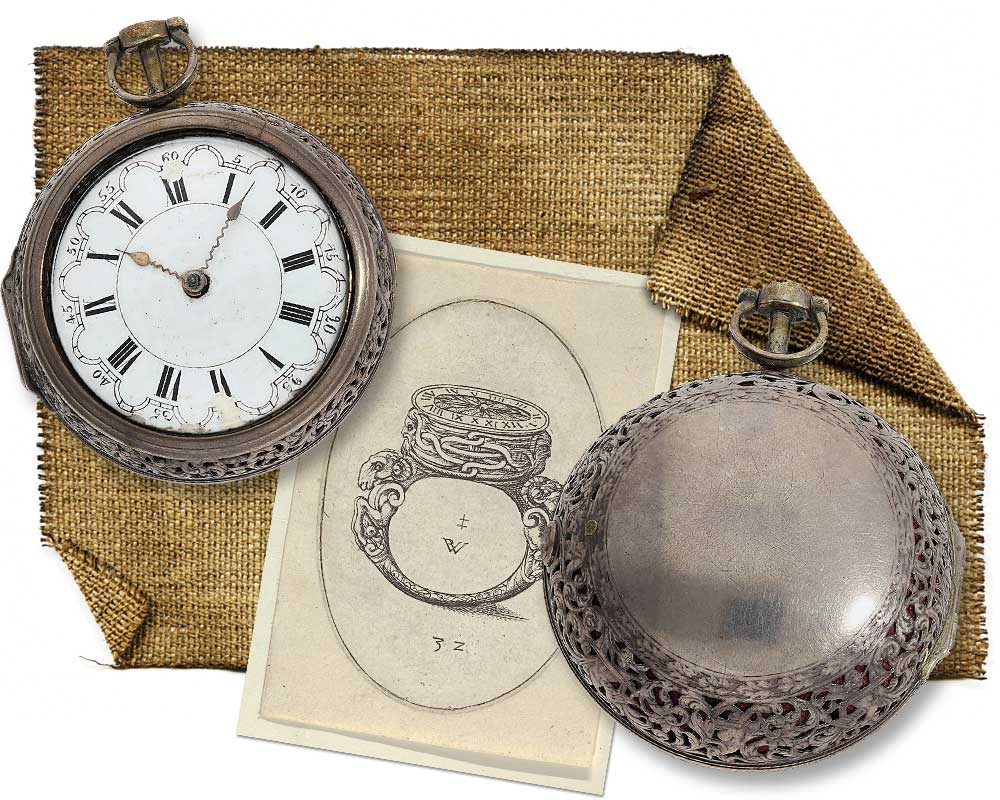
Simon van Leeuwen was a prominent watchmaker in Amsterdam during the 17th century. He was known for his expertise in designing and crafting watches that were highly accurate and reliable. Van Leeuwen’s impact on the development of watchmaking in Amsterdam during his time was significant and enduring.
He was one of the pioneers of the Dutch watchmaking industry, his innovations and contributions helped to establish Amsterdam as a centre of excellence for watchmaking. One of Van Leeuwen’s most notable contributions was the development of the balance spring, which is a crucial component of a watch movement that helps regulate its accuracy. His design was so successful that it became the standard for watchmakers around the world.
Van Leeuwen was also instrumental in establishing the Dutch guild system for watchmakers, which helped to regulate the industry and ensure that high standards were maintained. This system helped to foster a culture of excellence among watchmakers in Amsterdam and contributed to the city’s reputation as a centre of fine watchmaking. His legacy continues to influence the industry today.
Vanderslice Co, W.K.
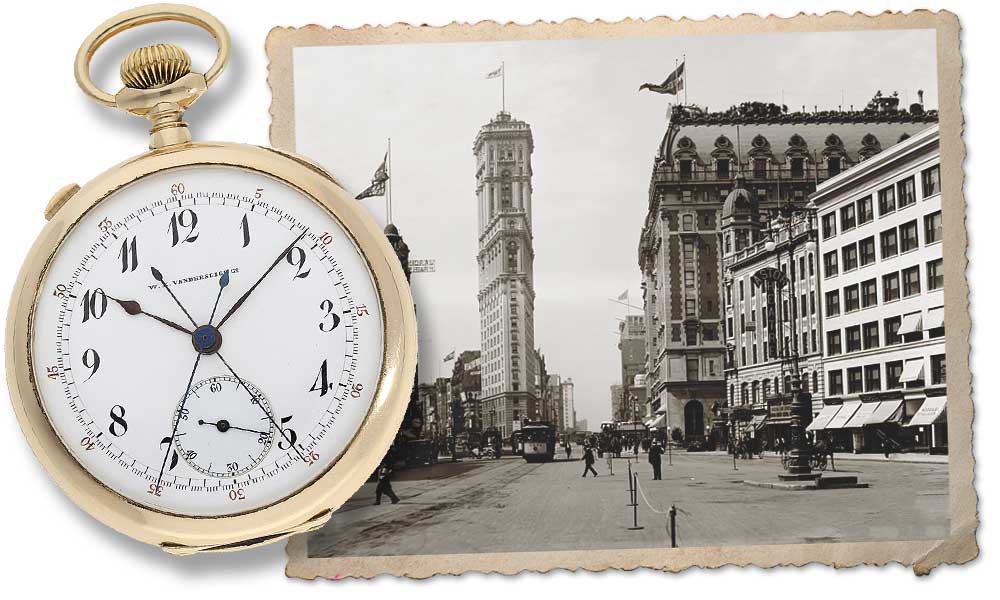
W.K. Vanderslice Co. was a prominent watchmaking company in New York during the early 1900’s. They produced a wide range of watches including pocket watches, wristwatches and chronographs. It was known for its high-quality timepieces, which were often made with precision movements and intricate designs.
Some of their most popular watches included railroad watches, military watches and dress watches for both men and women.
Vaucher
The history of the Vaucher name is synonymous with the development of watchmaking in Fleurier, Switzerland, stretching from the early 18th century to the modern high end industry. Watchmaking was officially introduced to Fleurier in 1730 by David-Jean-Jacques-Henri Vaucher. Having completed his training (possibly in Geneva), he returned to his home village at age 18 to establish the first small scale workshop. Vaucher is credited with training many apprentices who would become legends, most notably Ferdinand Berthoud, a pioneer of marine chronometry who later became the Watchmaker Mechanic to the King in France.
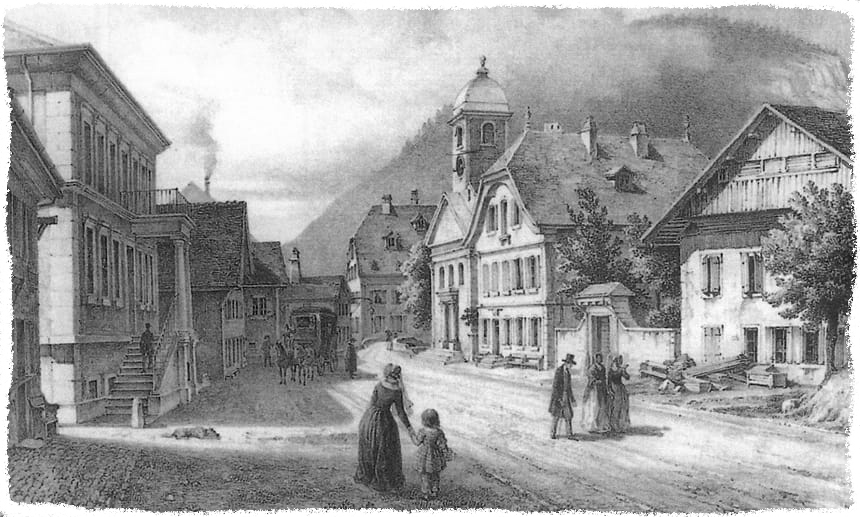
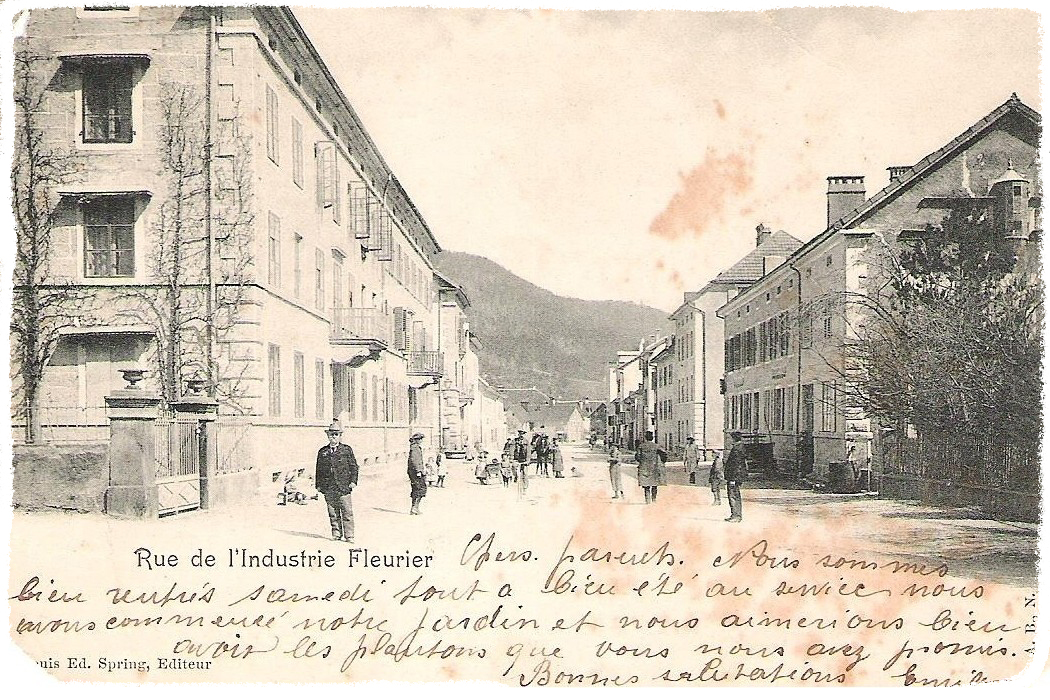
Over the generations, several Vaucher family firms were established in Fleurier, often doing business internationally in places like Italy, the Near East and notably, the Chinese market.
By 1750, there were 15 watchmakers in Fleurier and by 1794, over 13% of the population was involved in the trade, many of whom were from the extensive Vaucher family.
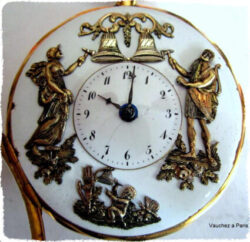
Daniel Vaucher, son of David-Jean-Jacques-Henri Vaucher, was born in Fleurier and moved to Paris in 1760, where he became a highly regarded Parisian master watchmaker working on the rue du Preaux-Boeufs from approximately 1769 to 1790. His wife and six children remained in Fleurier and later moved to Paris. Jonas-Frédéric Vaucher, Jean-Henri-David Vaucher, François Vaucher, Jean-Jacques Vaucher, Samuel Vaucher and daughter Isabelle-Salomé Vaucher became watchmakers. Outstanding watches from this family were usually signed ‘Vauchez en la Cité’ or ‘Vauchez à Paris’.
Following the French Revolution, Daniel Vaucher’s sons continued their work, some settling in Fleurier, Geneva, London, and Paris, perpetuating the family’s broad influence across European watchmaking centers.
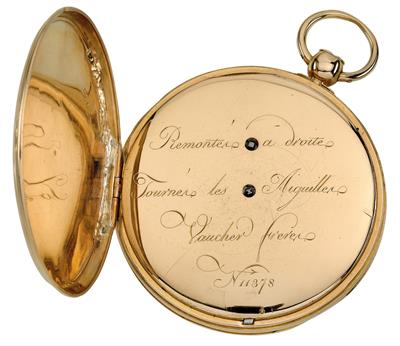
As Fleurier became a global hub for pocket watches, the Vaucher family branched into several major enterprises:
In 1848 Claude and César Vaucher founded Vaucher Frères to capitalize the massive export market for “Chinese Market” watches, highly decorated pocket watches designed specifically for collectors in East Asia. They were based in Fleurier, Switzerland and Canton, Guangdong, China and operated from 1800 to 1866.
Henri Vaucher and the Jéquier family started Jéquier et Vaucher a short lived but notable partnership to produce complete watches. This company stopped operating in 1852 just two years after its formation
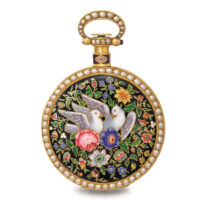
During the late 19th century, Vaucher made watches and components were exported as far as Turkey, Egypt and the United States.
The original Vaucher watchmaking lineage in Fleurier, which began in 1730 with David-Jean-Jacques-Henri Vaucher, saw its era of independent operation come to an end during the 19th century transition to industrialization and subsequent economic crises. The “golden age” of traditional watchmaking in Fleurier effectively ended during the “Great Depression” in the 1930’s, which decimated many of the remaining local workshops and the “Quartz Crisis” served as the final blow for most historic Fleurier firms, causing the number of watchmakers in the village to plummet from 742 to 160 within twenty years.

The name was officially revived in 2003 with the creation of the modern Vaucher Manufacture Fleurier SA.
Verger, Ferdinand
Verger Frères was widely known as the jeweller’s jeweller. They created some of the most exceptional jewels, clocks and watches of the Art Deco era supplying many of the most famous jewellery houses of the period. In 1872, Ferdinand Verger (1851- 1928) founded his jewellery business in Paris. He had been apprenticed, just aged 11, to the Parisian watchmaker Lépine. After serving in the Franco-Prussian War he travelled to London, returning in 1871.
In the early days, Verger specialized in ladies’ watches and within a few years had built a reputation that enabled him to become an agent for Vacheron Constantin in 1875. This was to prove a mutually beneficial and enduring relationship which lasted over 60 years with Verger making beautiful cases and jewels set with movements supplied by Vacheron Constantin. Verger registered his maker’s mark in 1896, five years later he acquired the business of his late master Lépine and the firm continued to grow stronger.
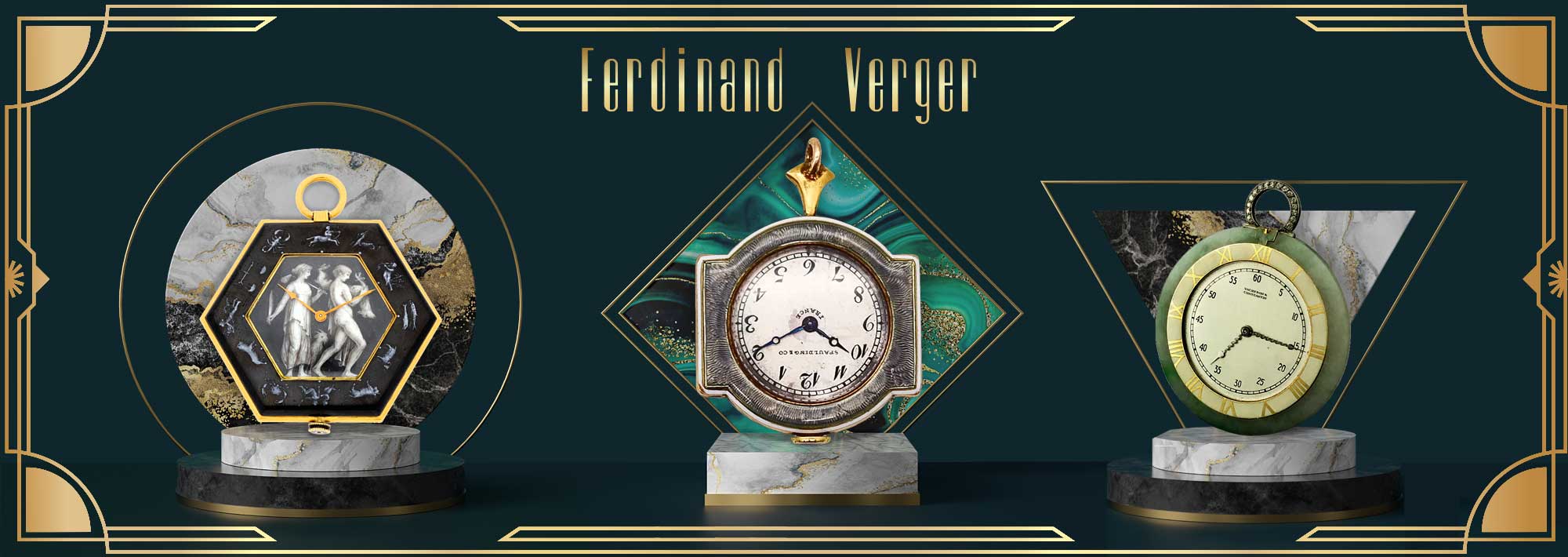
Verger’s two sons Georges and Henri joined their father in the business and the maker’s mark was changed from F.V. (Ferdinand Verger) to V.F. (Verger Frères). Under the guidance of Georges and Henri the firm reached new heights and not only employed a vast array of craftsmen directly but developed partnerships with some of the most exceptional artisans of the early 20th century. Georges designed the majority of pieces himself however he was also known to have collaborated with other artists and designers of the period.
Alongside their creativity the firm was also a leading innovator in technique and they filed various patents over the years. They were one of only two companies to create the legendary ‘Mystery Clocks’, Cartier being the other. Verger formally signed over the business to his sons in 1921 by which time they were employing over two hundred specialist craftsmen including goldsmiths, enamellers, engravers, lapidaries, diamond polishers and watchmakers. By employing these artists directly, rather than contracting out the work, Verger Frères were able to keep tight control of the quality of their work. Consequently, they became renowned for the outstanding quality and consistency of their pieces. The firm remained in the Verger family during the 1940s and 1950s, but eventually, the business was bought by Georges Lenfant and more recently it was acquired by Atelier Bouder who have dedicatedly reconstructed the company’s heritage through the extensive archives of drawings and models.
Verger Frères
Verger Frères was widely known as the jeweller’s jeweller. They created some of the most exceptional jewels, clocks and watches of the Art Deco era supplying many of the most famous jewellery houses of the period. In 1872, Ferdinand Verger (1851- 1928) founded his jewellery business in Paris. He had been apprenticed, just aged 11, to the Parisian watchmaker Lépine. After serving in the Franco-Prussian War he travelled to London, returning in 1871.
In the early days, Verger specialized in ladies’ watches and within a few years had built a reputation that enabled him to become an agent for Vacheron Constantin in 1875. This was to prove a mutually beneficial and enduring relationship which lasted over 60 years with Verger making beautiful cases and jewels set with movements supplied by Vacheron Constantin. Verger registered his maker’s mark in 1896, five years later he acquired the business of his late master Lépine and the firm continued to grow stronger.
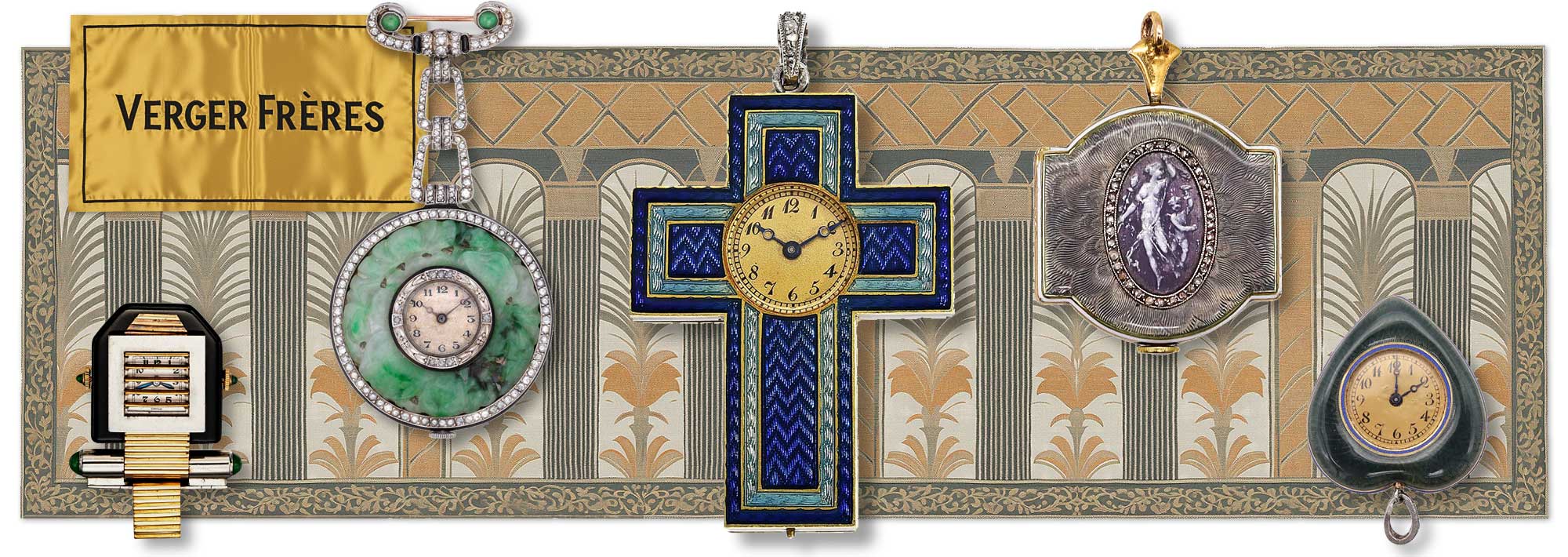
Verger’s two sons Georges and Henri joined their father in the business and the maker’s mark was changed from F.V. (Ferdinand Verger) to V.F. (Verger Frères). Under the guidance of Georges and Henri the firm reached new heights and not only employed a vast array of craftsmen directly but developed partnerships with some of the most exceptional artisans of the early 20th century. Georges designed the majority of pieces himself however he was also known to have collaborated with other artists and designers of the period.
Alongside their creativity the firm was also a leading innovator in technique and they filed various patents over the years. They were one of only two companies to create the legendary ‘Mystery Clocks’, Cartier being the other. Verger formally signed over the business to his sons in 1921 by which time they were employing over two hundred specialist craftsmen including goldsmiths, enamellers, engravers, lapidaries, diamond polishers and watchmakers. By employing these artists directly, rather than contracting out the work, Verger Frères were able to keep tight control of the quality of their work. Consequently, they became renowned for the outstanding quality and consistency of their pieces. The firm remained in the Verger family during the 1940s and 1950s, but eventually, the business was bought by Georges Lenfant and more recently it was acquired by Atelier Bouder who have dedicatedly reconstructed the company’s heritage through the extensive archives of drawings and models.

