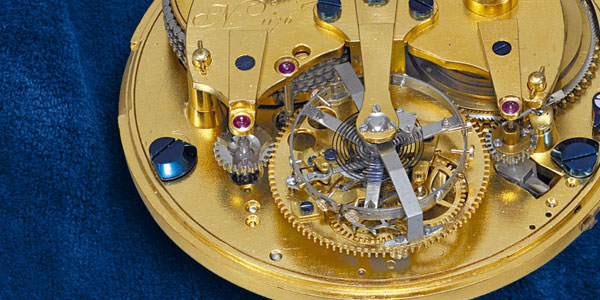
Escapements antique pocket watches

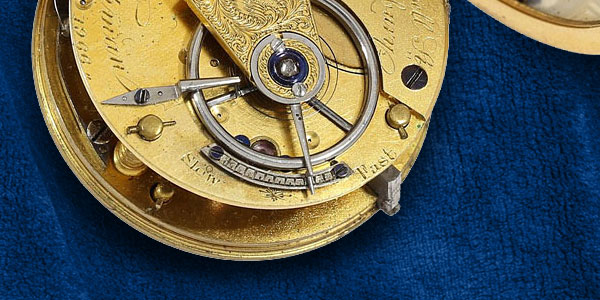
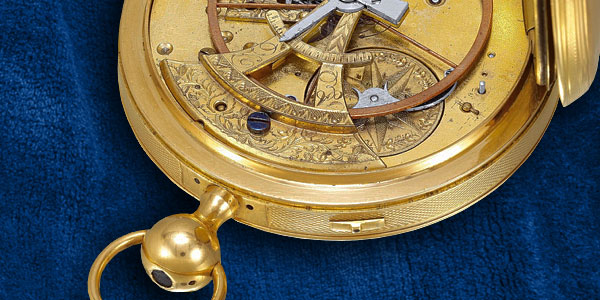
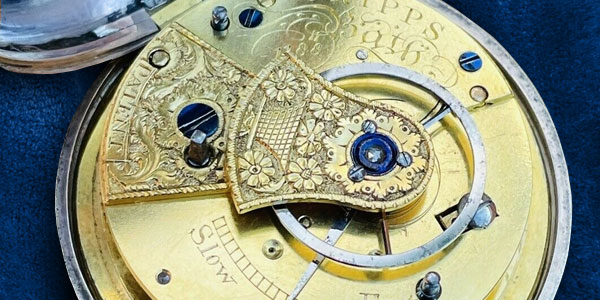
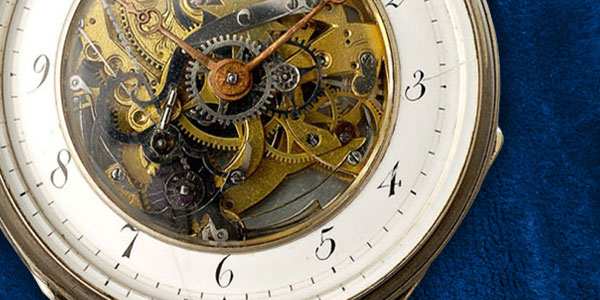
Antique pocket watches are fascinating timepieces that were crafted with intricate details and precision. One of the essential components of these watches is the escapement mechanism. The escapement is responsible for regulating the power and speed of the watch movement, ensuring accurate timekeeping. On this page, we will explore the history and different types of escapements found in antique pocket watches.
The evolution of timekeeping

The history of antique watch escapements is a fascinating journey through the evolution of timekeeping. The earliest mechanical watches, which were developed in the 14th century, used verge escapements, which consisted of a verge, a balance wheel, and a mainspring. The verge escapement was simple and robust, but it was also relatively inaccurate and prone to variation due to changes in temperature and other factors.
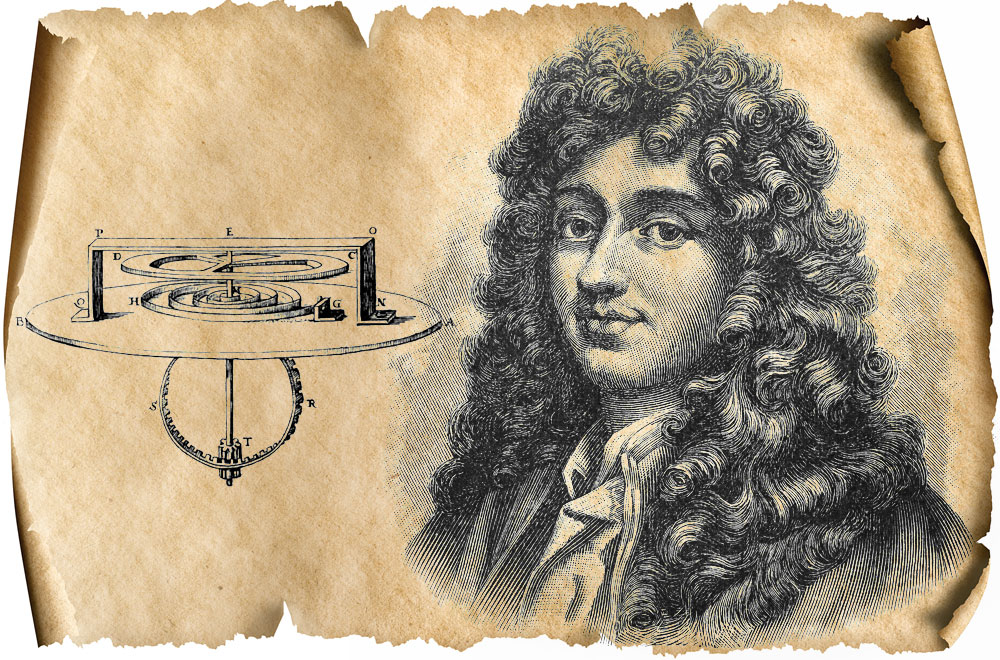
In the 17th century, the invention of the balance spring by Christiaan Huygens led to the development of the anchor escapement, which was much more accurate and reliable than the verge escapement.

The balance spring invented by Christiaan Huygens

The anchor escapement was widely used in watches throughout the 18th and 19th centuries. It is still one of the most common types of escapements used in mechanical watches today. The anchor escapement uses a pallet fork and an escape wheel to regulate the movement of the watch’s hands, and it is known for its accuracy and durability.

Another notable antique watch escapement is the cylinder escapement, which was developed in the late 18th century. The cylinder escapement uses a cylinder-shaped wheel with teeth on its surface, which engages with a pallet fork to regulate the movement of the watch’s hands. The cylinder escapement is notable for its simplicity and durability, but it is also less accurate than other types of escapements.

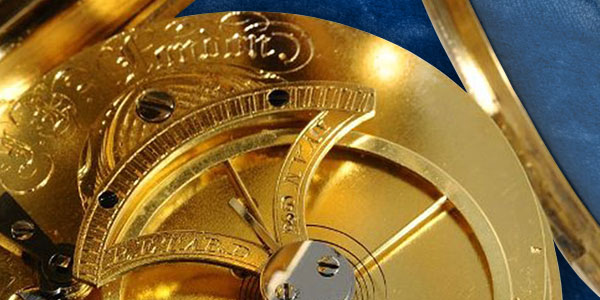
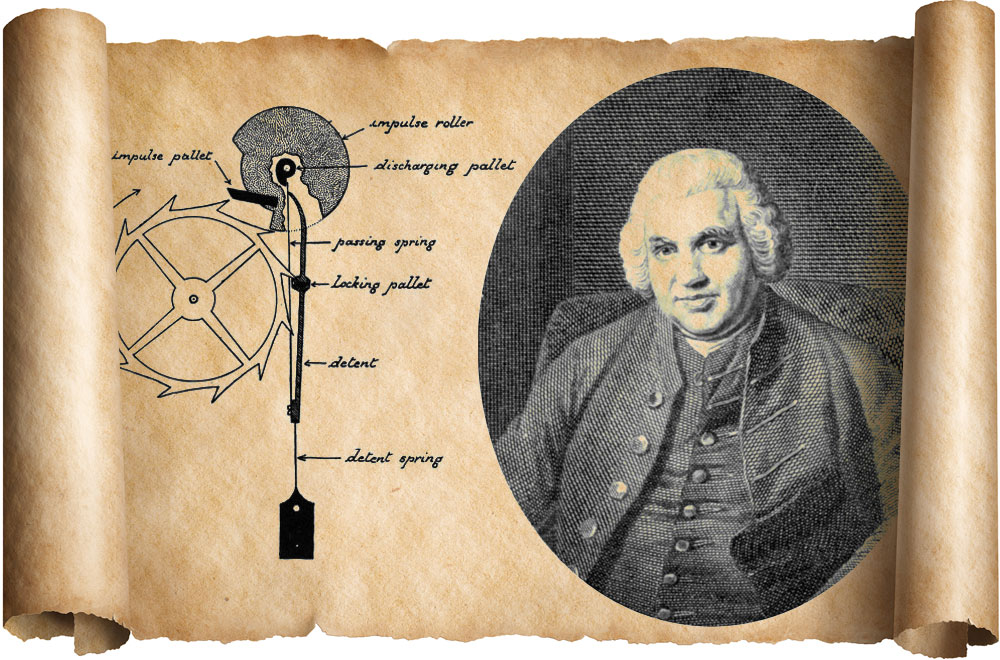
The detent escapement invented by Thomas Mudge

Other types of antique watch escapements include the detent escapement, which was first developed by Thomas Mudge in the 18th century and is known for its high accuracy, and the chronometer escapement, which was developed in the 19th century and is used in high-precision timepieces such as marine chronometers.

Overall, the history of antique watch escapements is a testament to the ingenuity and innovation of watchmakers throughout the centuries. They worked to develop increasingly accurate and reliable timepieces that could keep pace with the demands of society. Today, antique watches with rare or unusual escapements are highly sought after by collectors and enthusiasts, who appreciate the craftsmanship and history behind these remarkable timepieces.

Escapements types

Whether you are a watch collector or a history enthusiast, the escapement mechanism is an essential part of understanding and appreciating the craftsmanship that went into creating pocket watches. There are several types of escapements used in these beautiful timepieces. Below you will find a summary in alphabetic order of the different types of escapements used in antique pocket watches. These different types offer varying levels of accuracy and complexity, making each antique pocket watch a unique timepiece with its own individual character.
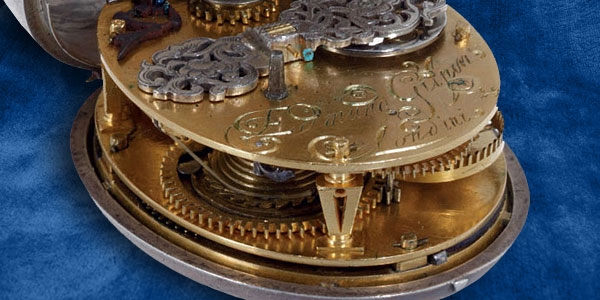
Carrousel escapement information

Carrousel escapement

The carrousel escapement was invented in 1892 by the Swiss watchmaker Bahne Bonniksen. In principle the escapement is similar to a tourbillon escapement. It is designed to counter the effects of gravity on the watch’s timekeeping accuracy.

Chronometer escapement information

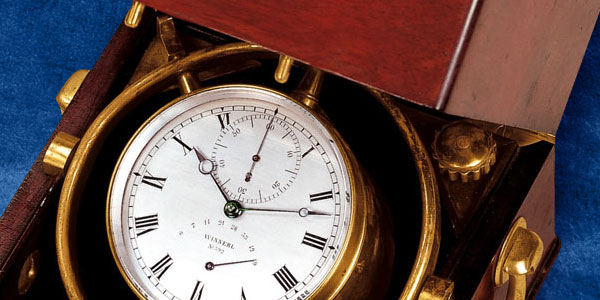
Chronometer escapement

The chronometer escapement was designed for use in marine chronometers and other precision timepieces. It uses a detent escapement, which has a jeweled pallet fork that engages with a notch on the escape wheel. This design provides excellent accuracy and reliability.

Cylinder escapement information

Cylinder escapement

The cylinder escapement was a popular design in the late 18th and early 19th centuries. It has a simple design and uses a cylinder-shaped metal piece with teeth to transfer power to the balance wheel.

Debaufré escapement information

Debaufré escapement

This escapement was named after the Debaufré brothers who devised a deadbeat escapement with two escape wheels that alternately engage with a disk riveted to the balance shaft.

Lever escapement information

Lever escapement

This is one of the most common types of escapements used in watches today. It was invented by Thomas Mudge in 1755 and features a lever that rocks back and forth, engaging with the escape wheel to regulate the watch’s timekeeping.

Pouzait escapement information

Pouzait escapement

The Pouzait escapement was invented by the Swiss clockmaker Jean Moïse Pouzait who became the director of the first clockmaking school in Geneva, in 1788. The movement was used in “dead second” watches with centre seconds.

Rack lever escapement information

Rack lever escapement

The rack lever escapement is a modification of the earlier lever escapement. It was invented in 1798 by the English clockmaker Peter Litherland. This escapement was so named because it uses a rack and a lever to control the release of energy from the clock’s mainspring.

Special escapements information

Special escapement

A special escapement is one that differs from the more common and widely used escapements. Each of these escapements has its own unique design and properties, and is used in specific types of mechanical timepieces to achieve certain performance characteristics.

Tourbillon escapement information

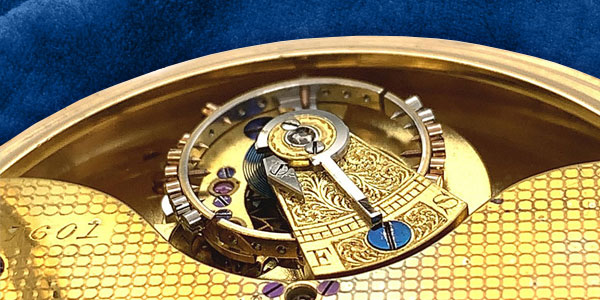
Tourbillon escapement

The Tourbillon escapement is a rare and complex type of escapement invented by Abraham-Louis Breguet in 1795. It rotates the entire escapement, including the balance wheel, to compensate for the effects of gravity on the watch’s timekeeping.

Verge escapement information

Verge escapement

The verge escapement is one of the earliest and most common types of escapements used in antique pocket watches. It works by using a verge, or crown wheel, that rocks back and forth, engaging with the escape wheel and controlling the motion of the watch’s balance wheel.
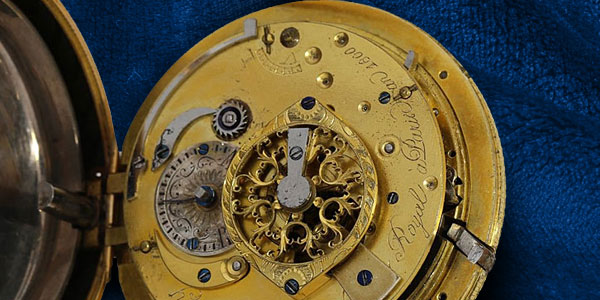
Virgule escapement information

Virgule escapement

The Virgule escapement was widely used in French and Swiss clocks during the 18th and 19th centuries. It was often considered to be one of the most accurate and reliable escapements of its time.

To top