History of the Chronometer Escapement
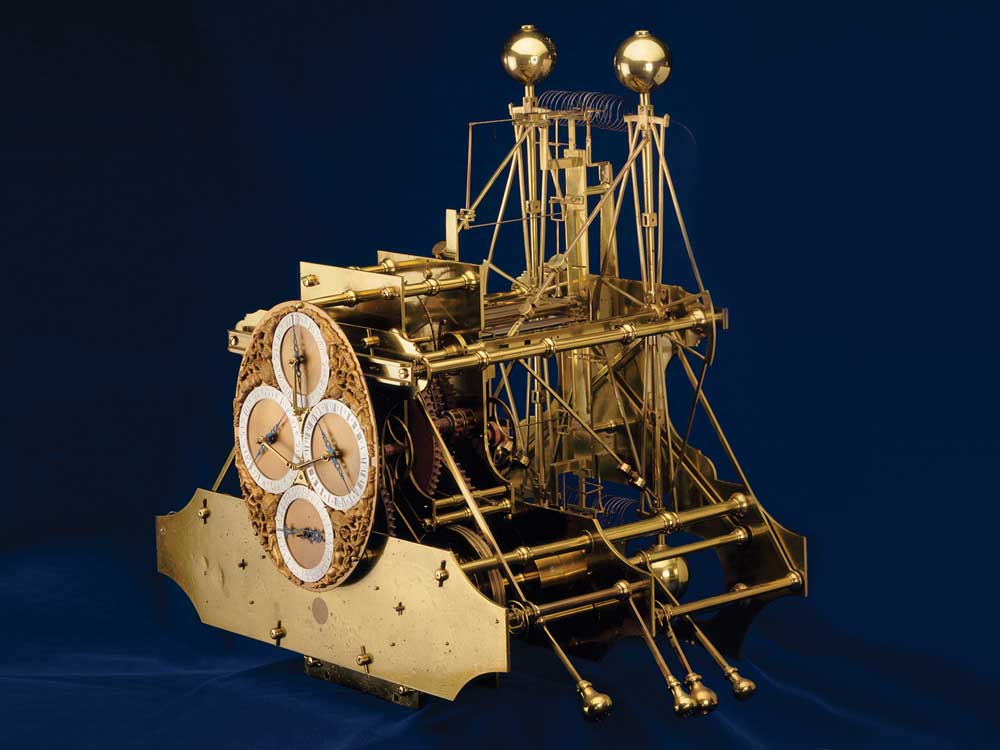
The chronometer escapement has a long and fascinating history that spans several centuries. The earliest examples of precision timekeeping can be traced back to the 17th century, when the Dutch scientist Christiaan Huygens invented the pendulum clock. This revolutionary invention allowed for much greater accuracy than earlier timepieces, such as sundials and hourglasses.
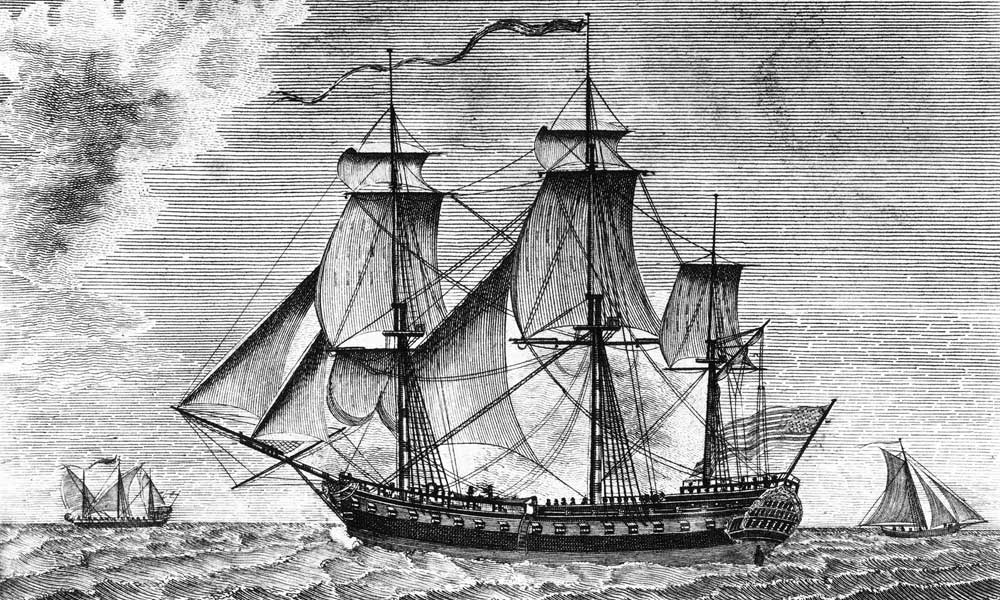
However, pendulum clocks were not suitable for use at sea, where the constant motion of the waves caused the pendulum to swing irregularly and disrupt the accuracy of the timekeeping. To address this problem, watchmakers began to experiment with other types of timekeeping devices that could be used on ships, such as marine chronometers.
The inventers of the chronometer escapement
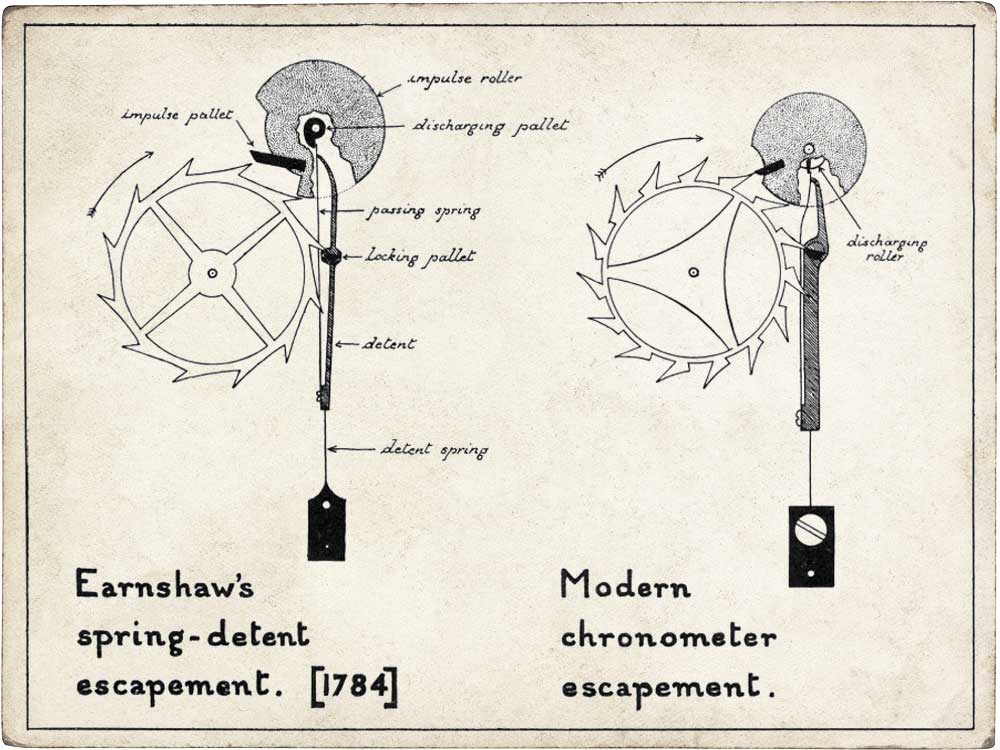
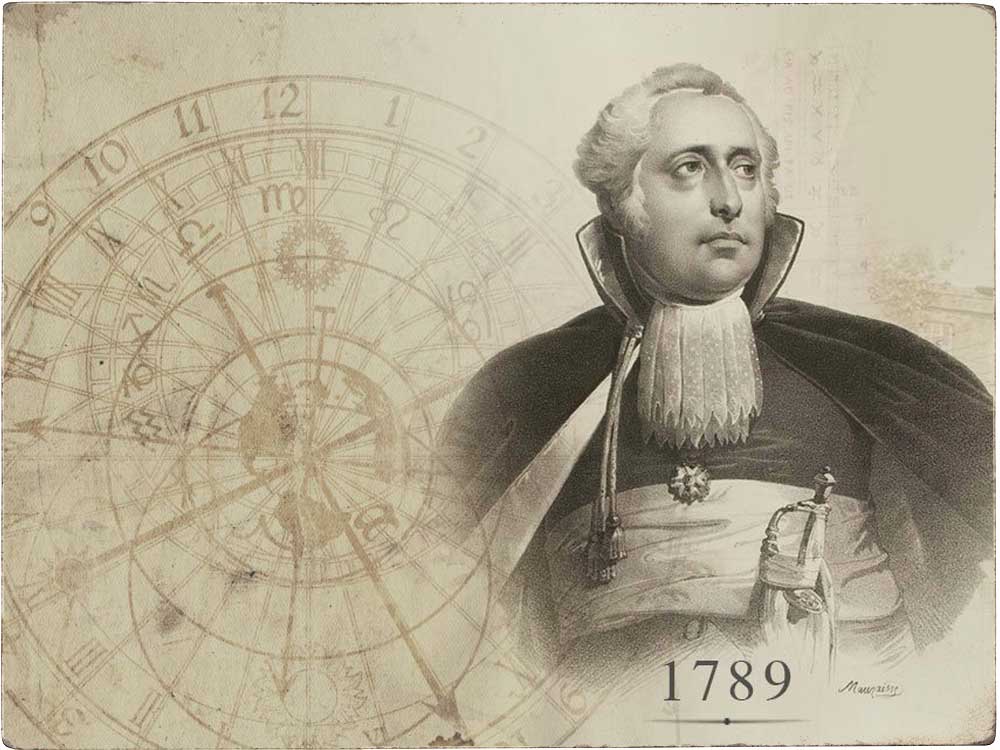
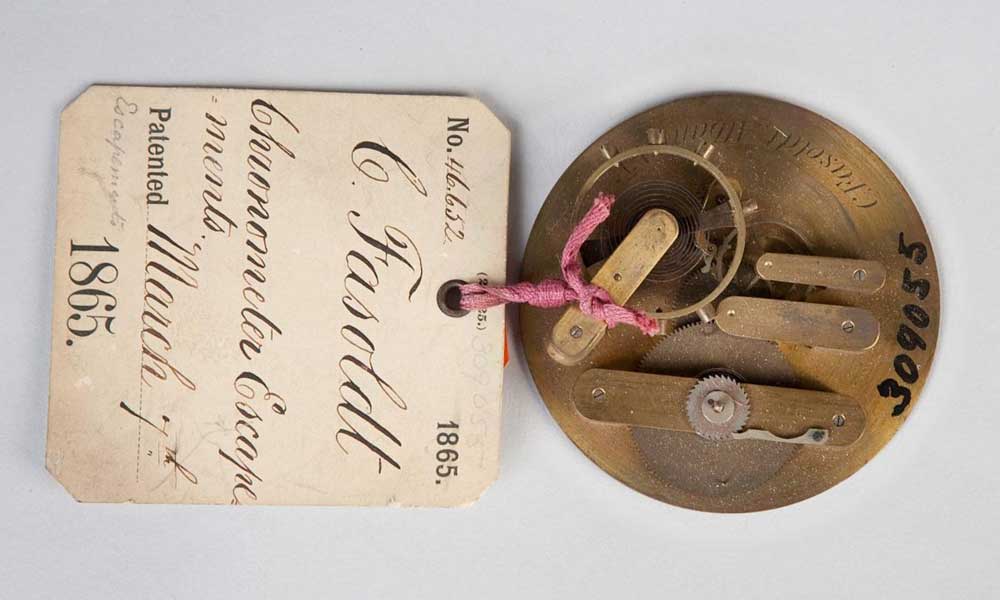
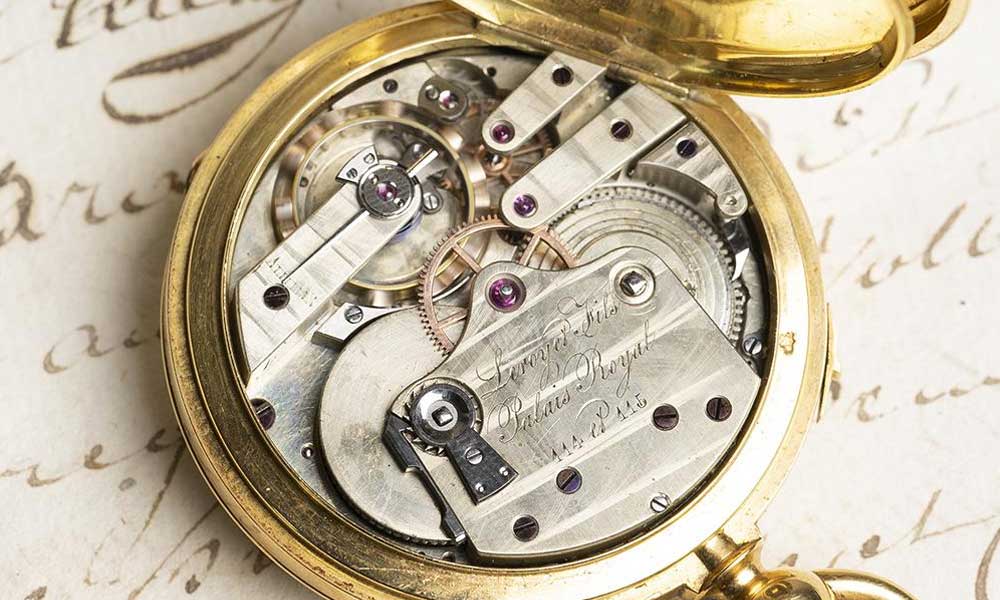
The chronometer escapement was invented independently by two renowned watchmakers, Thomas Earnshaw of England and Pierre Le Roy of France, in the 1770s. Their innovative design used a detent escapement, which relied on a small, spring-loaded lever called a detent to lock and unlock a toothed escape wheel, regulating the movement of the watch’s balance wheel. This design greatly reduced the errors caused by variations in the force applied to the balance wheel, and made it possible to achieve much greater accuracy in timekeeping.
Chronometer accuracy organizations
In recognition of the importance of accurate timekeeping for navigation at sea, many governments established official timekeeping organizations to certify the accuracy of chronometers. The most famous of these organizations was the Royal Observatory in Greenwich, England, which established strict standards for the accuracy of chronometers and awarded certificates to those that met their criteria.