History of the Cylinder Escapement
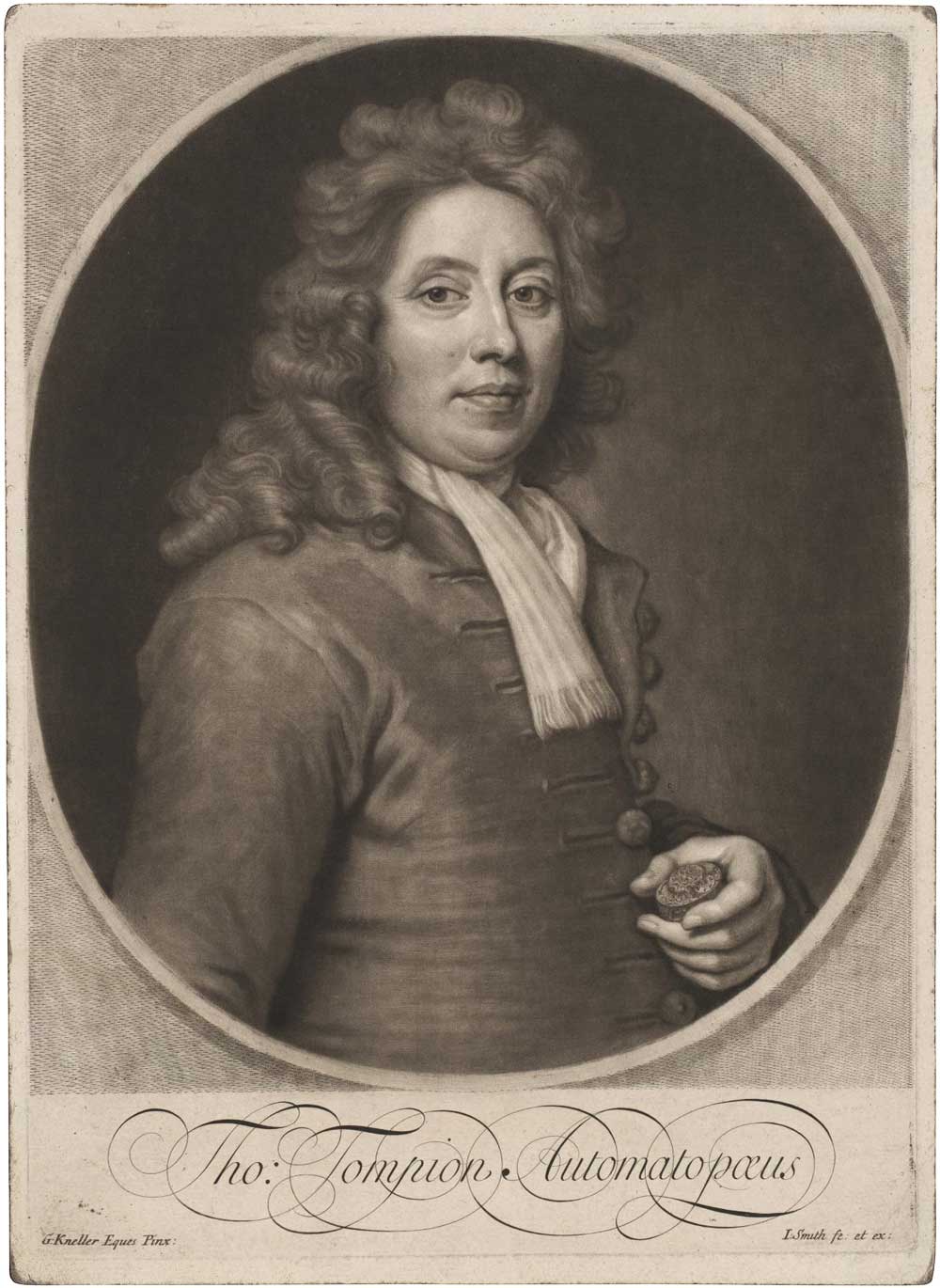
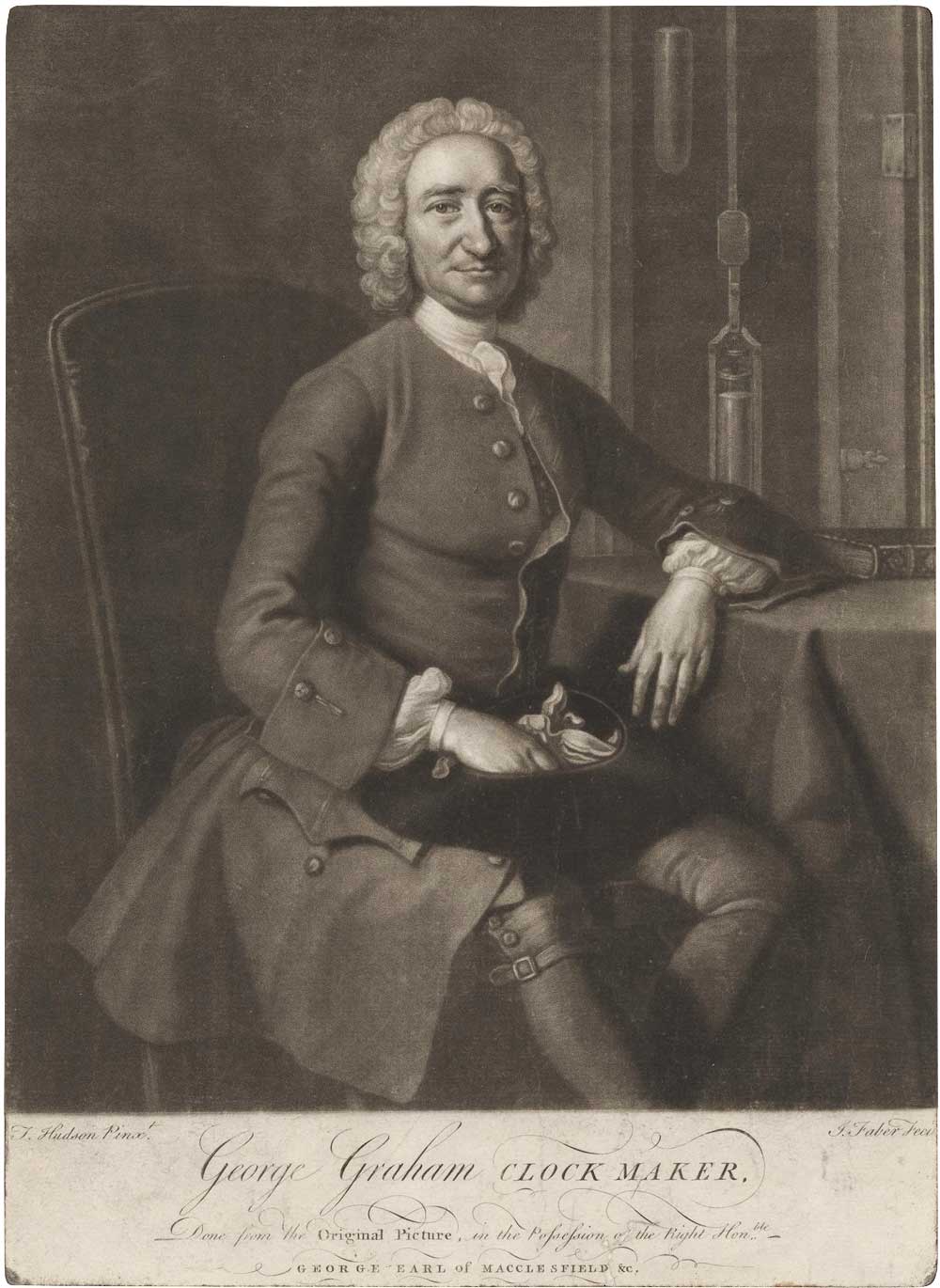
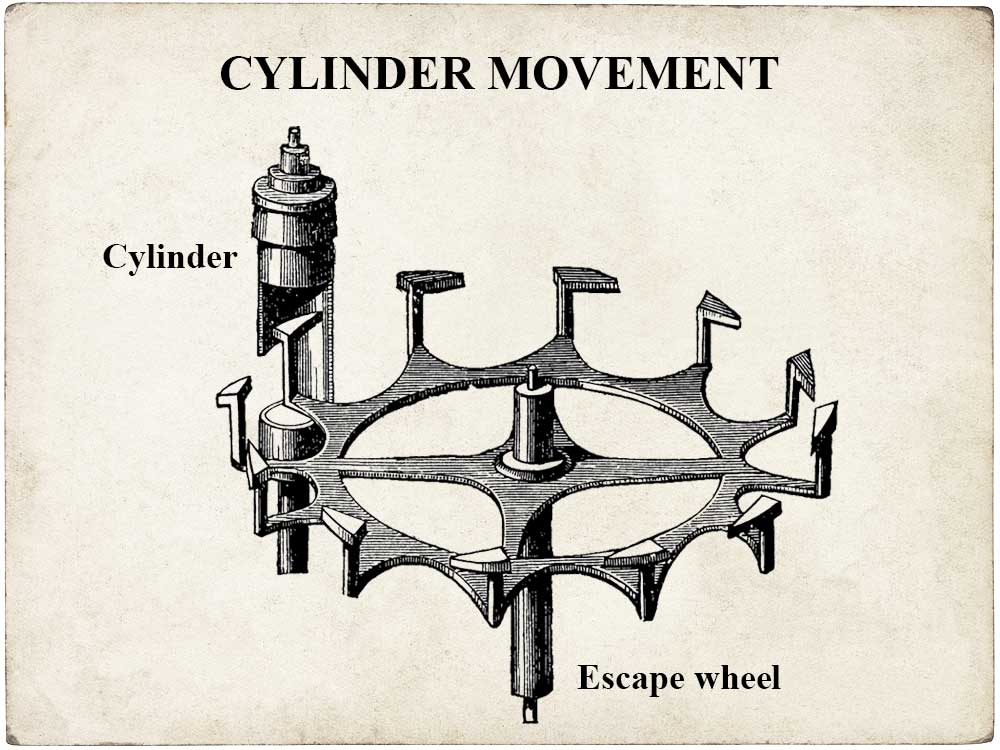
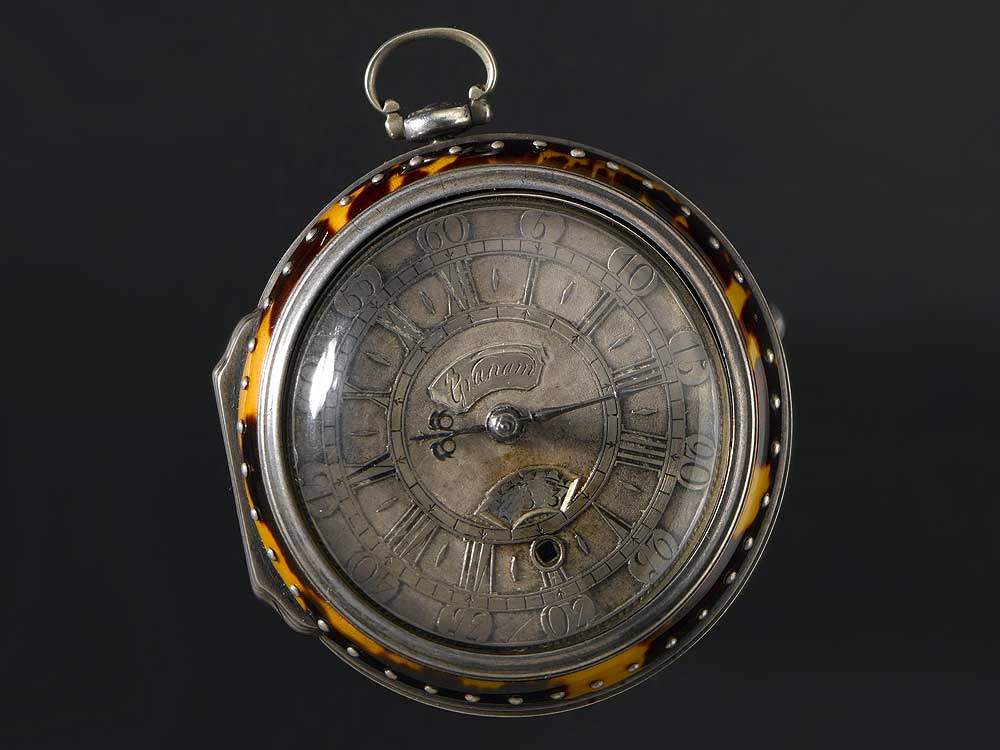
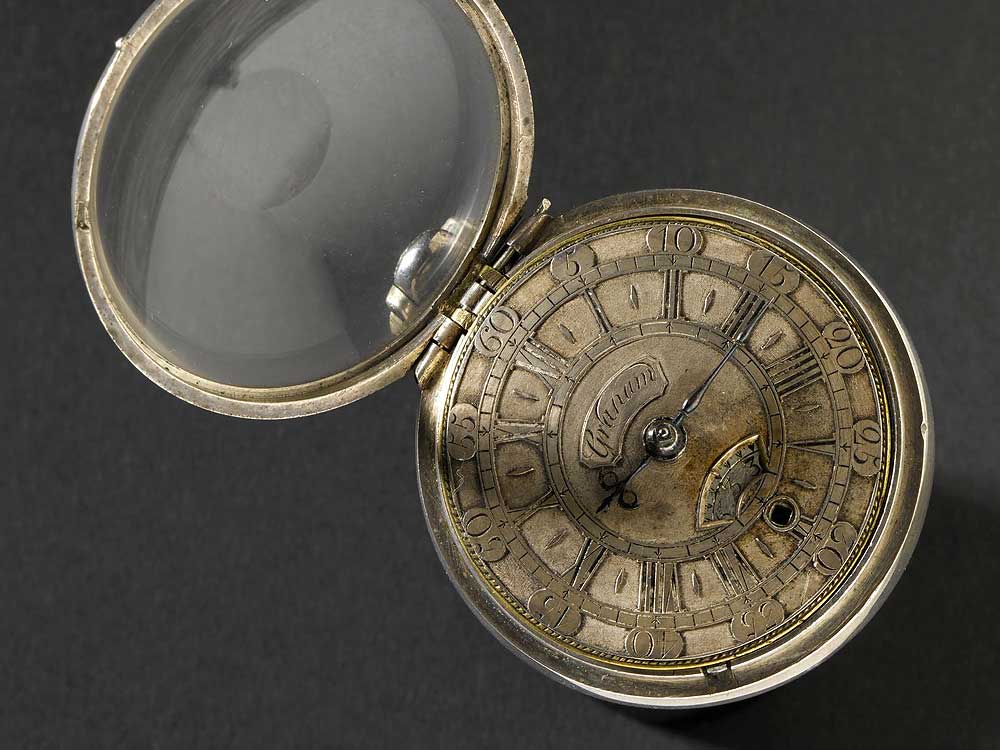
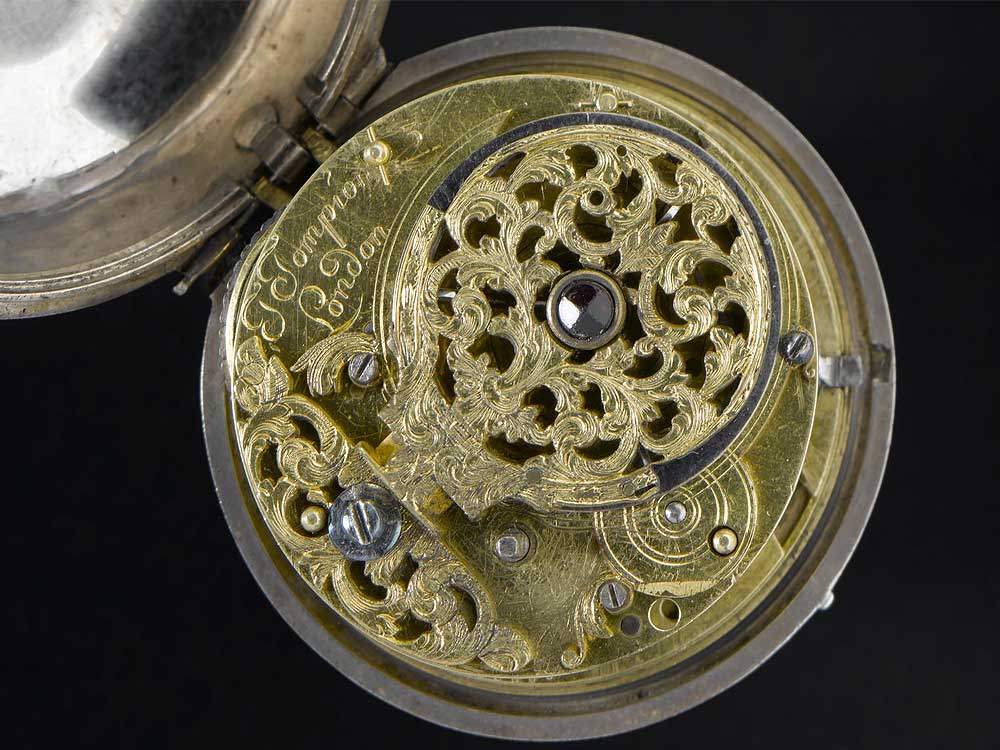
In 1695, Thomas Tompion, a renowned English clockmaker, invented the cylinder escapement, also known as the horizontal escapement due to its orientation. George Graham, an apprentice of Tompion, further refined the invention in 1726. The cylinder escapement replaced the vertical verge escapement that was used prior.
Despite its advantages, the cylinder escapement did not receive widespread adoption among English watchmakers. However, it was widely used in France and Switzerland until the early 20th century. The advent of the English Lever escapement in the early 19th century eventually led to the abandonment of the cylinder escapement in England.
The cylinder escapement’s main advantage was its relatively thin design, which allowed for the creation of thinner pocket watches compared to those made with the verge escapement. However, like the verge escapement, the cylinder escapement suffered from excessive wear due to the constant contact between its components throughout the cycle. This issue was particularly prevalent in brass and steel movements used by English watchmakers. In contrast, French and Swiss watchmakers reduced wear and tear by using hardened steel and jewelled cylinders made from ruby.