The English lever escapement

The English Lever Escapement is a specific type of mechanical watch escapement that was developed in the late 18th century by English watchmakers. It is a refinement of the Lever Escapement, which was invented by Swiss watchmaker Thomas Mudge in 1755. The Lever Escapement was a significant advancement in watchmaking, replacing earlier escapements such as the verge and cylinder escapements. However, the English Lever Escapement improved upon the original design in several ways, making it more accurate and reliable.
English Lever Escapement improvements

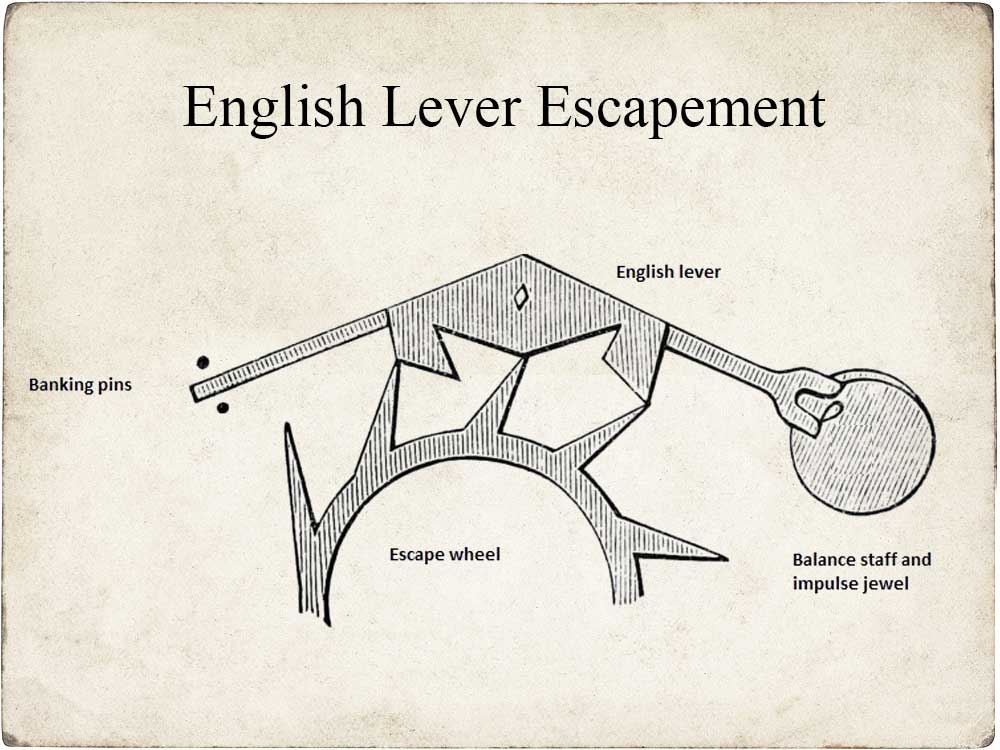
One of the most significant improvements in the English Lever Escapement is the use of curved pallets instead of the flat pallets in the standard Lever Escapement. The curved pallets allow the escape wheel to interact with the pallet fork in a more controlled and gradual manner, reducing friction and wear on the pallets. This results in a more accurate and durable watch movement.

Mechanics of the English lever escapement
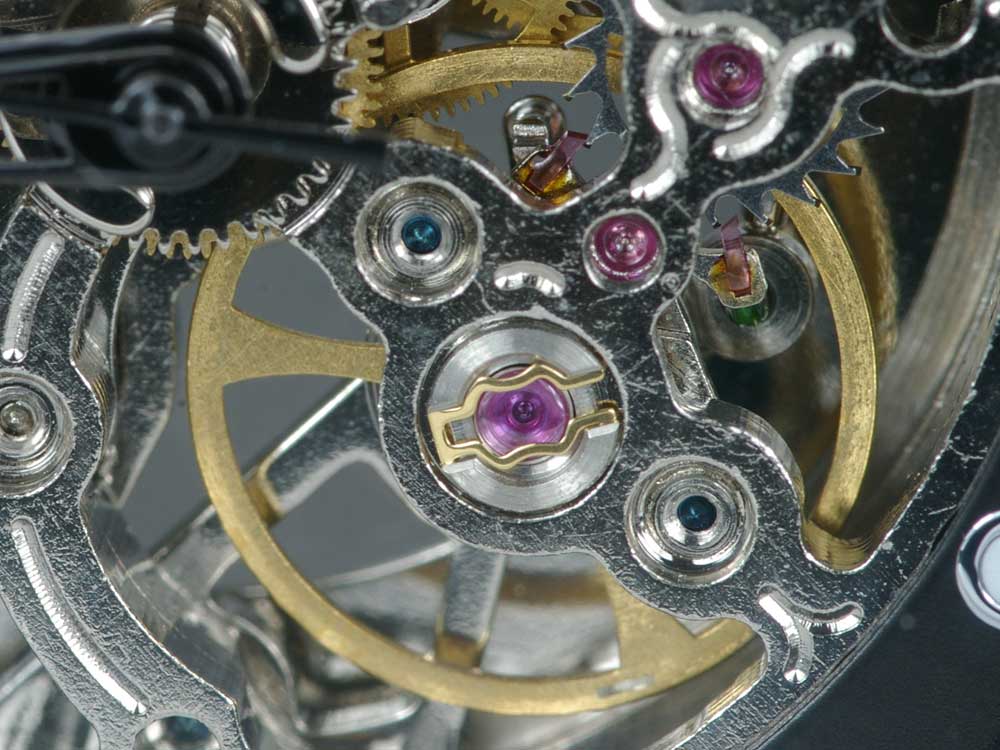
A high number of jewels reduce friction

Another important feature of the English Lever Escapement is the use of a higher number of jewels. Jewels are small, hard stones that are used to reduce friction between moving parts in a watch movement. The English Lever Escapement often has more jewels than the standard Lever Escapement, further reducing friction and improving the accuracy and reliability of the watch.

Popularity of the English Lever

The English Lever Escapement became very popular in the 19th century and was widely used in high-quality pocket watches. The design improvements made it more accurate and reliable than earlier escapements such as the verge and cylinder escapements. The English Lever Escapement continued to be used throughout the 20th century and can still be found in antique pocket watches and some modern mechanical watches.

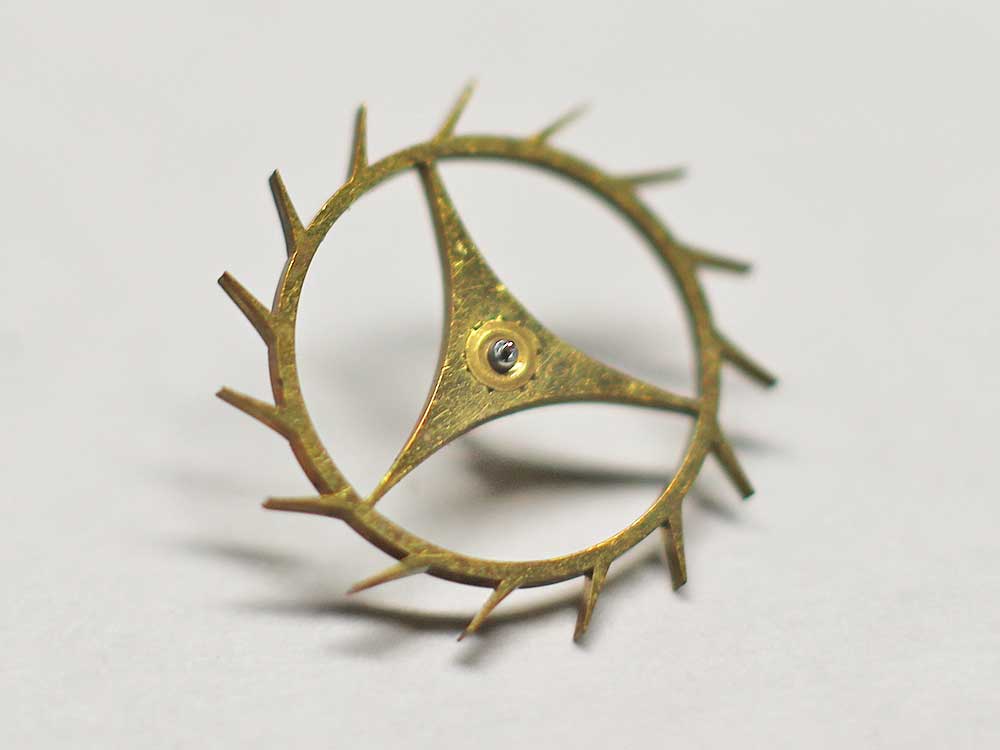
Escape wheel of a English lever escapement
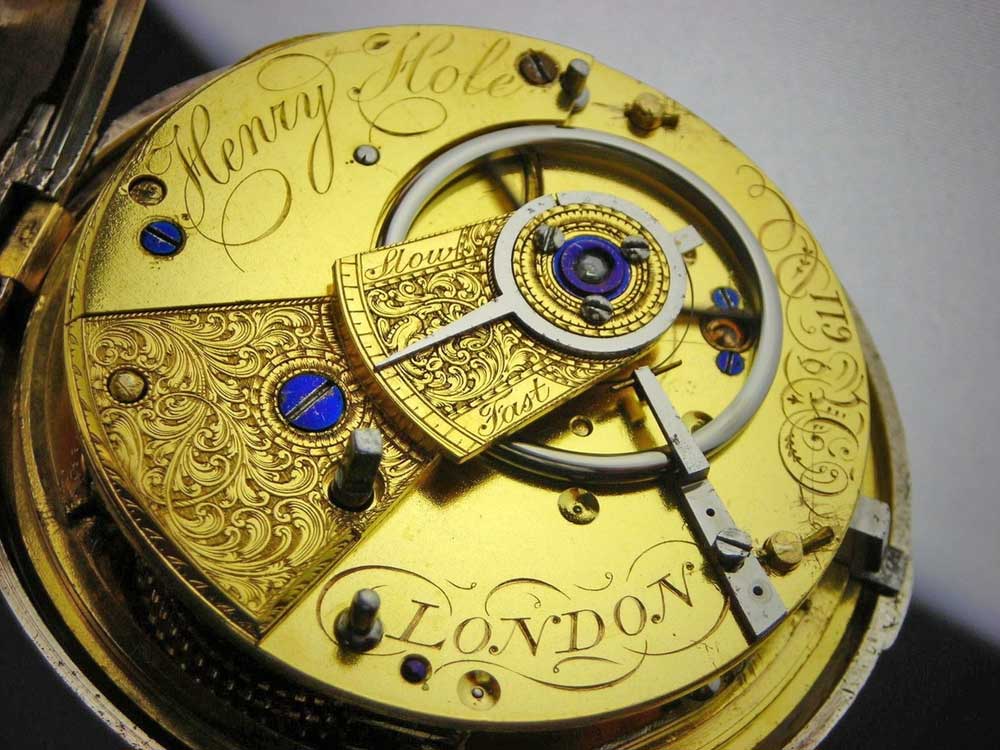
English lever fusee pocket watch

One of the reasons for the popularity of the English Lever Escapement was its durability. The use of curved pallets and additional jewels significantly reduced wear and tear on the watch movement. This, in turn, reduced the need for frequent repairs and increased the longevity of the watch. The accuracy of the English Lever Escapement was also a significant factor in its popularity. The use of curved pallets and additional jewels meant that the watch movement was more precise and reliable than earlier escapements.

Significance of the English lever escapement

In addition to its technical improvements, the English Lever Escapement also had a significant impact on the development of the watch industry. The increased accuracy and reliability of the watch movement allowed for more precise timekeeping, which was important in several fields, such as navigation and astronomy.

The English Lever Escapement also played a role in the standardization of watch movements. Prior to the development of the English Lever Escapement, there was little consistency in the design and construction of watch movements. The English Lever Escapement became a widely adopted standard in the watch industry, and its design was used as a basis for many subsequent escapements.

The importance of the English Lever Escapement in the history of watchmaking cannot be overstated. Its design improvements significantly increased the accuracy and durability of watch movements, and its impact on the standardization of watch movements helped to lay the foundation for the modern watch industry.

Today, the English Lever Escapement is still regarded as an essential development in the history of horology and can be found in antique pocket watches and some modern mechanical watches. Its use of curved pallets and additional jewels continues to influence the design and construction of other types of escapements, and it remains an object of fascination and study for watchmakers and enthusiasts alike.

To top