The Verge Escapement

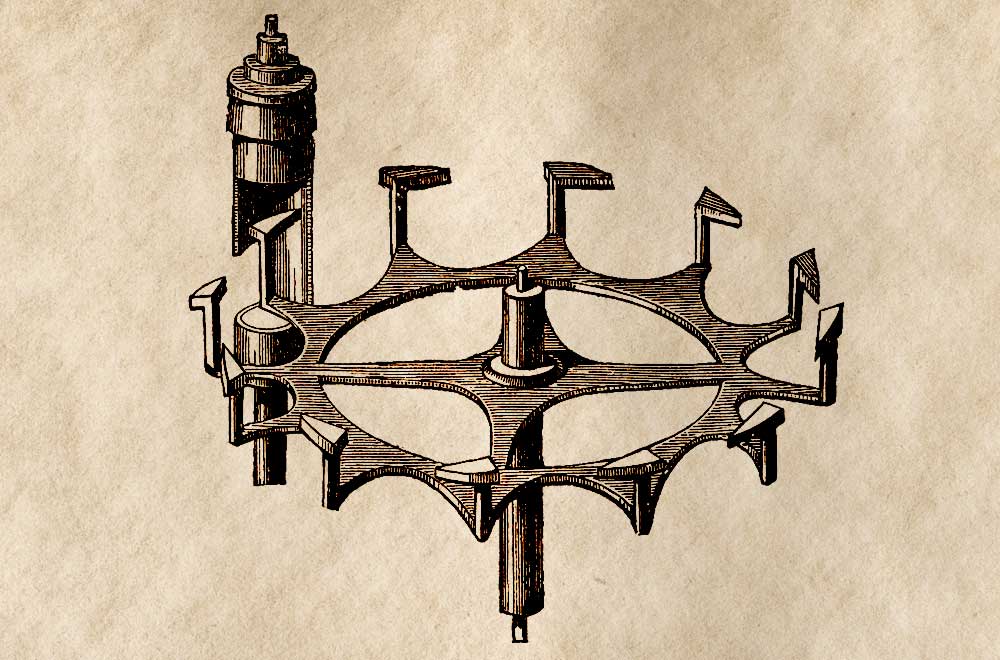
The verge escapement is one of the earliest types of escapements used in mechanical clocks and watches. It was developed in Europe during the 14th century and remained in use until the 19th century, when it was largely replaced by more accurate and reliable escapements. In this article, we will provide a detailed overview of the verge escapement, including its history, mechanics, and significance.
History of the Verge Escapement

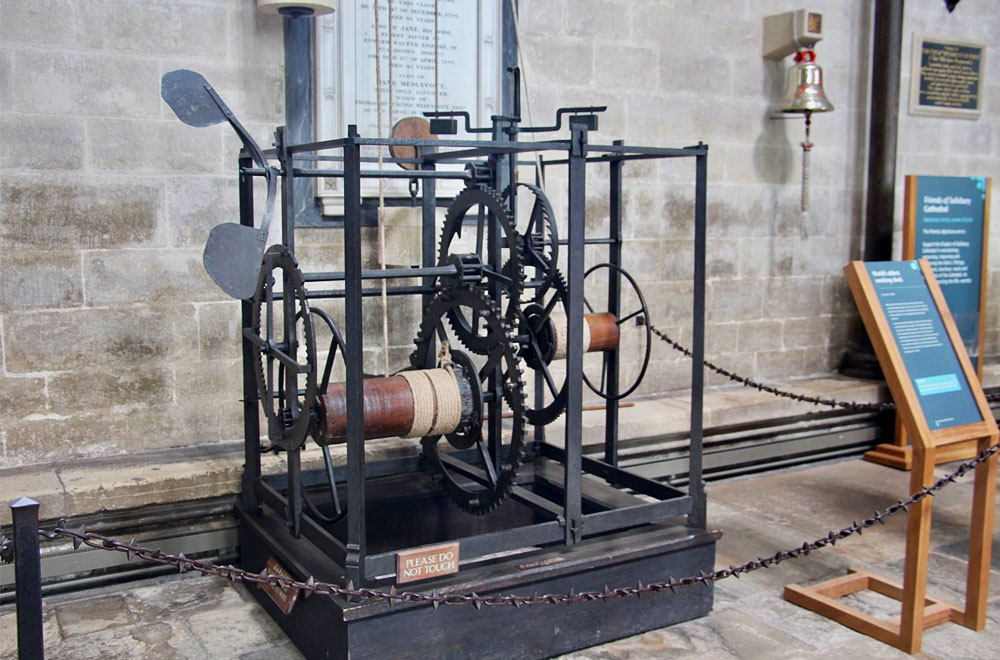
The verge escapement was developed in Europe during the 14th century and was one of the earliest types of escapements used in mechanical clocks and watches. It was first used in tower clocks, which were the most accurate timekeeping devices of the era, and then in pocket watches, which became popular in the 16th century.

The verge escapement was used in a wide range of timepieces until the 19th century, when it was largely replaced by more accurate and reliable escapements, such as the lever escapement and the cylinder escapement. However, the verge escapement remains an important part of horological history and played a crucial role in the development of mechanical clocks and watches.

The Salisbury Cathedral clock shows good what the first verge clocks looked like.

Mechanics of the Verge Escapement

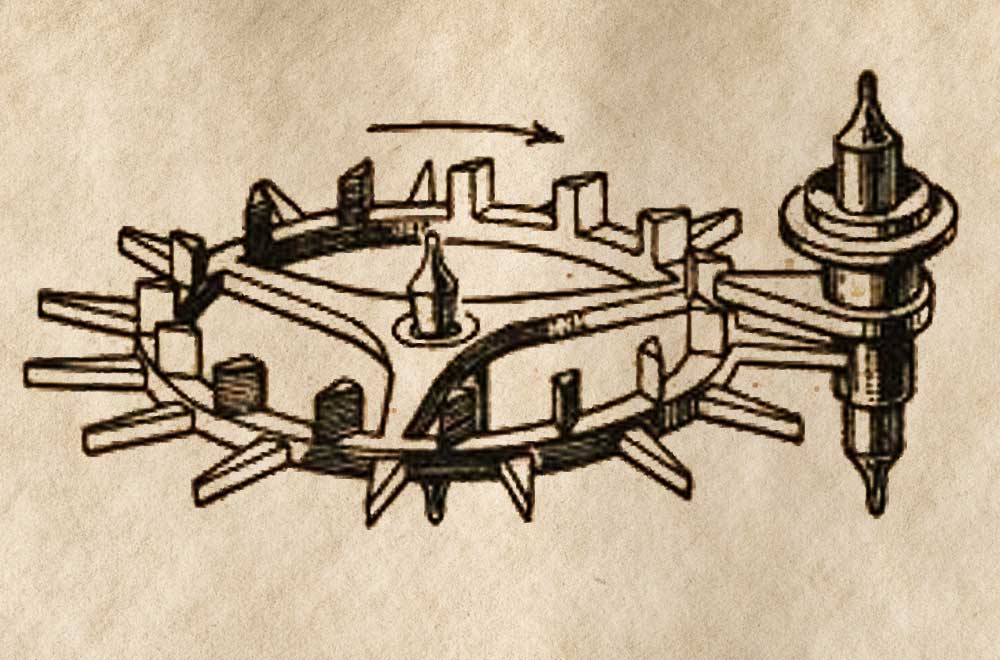
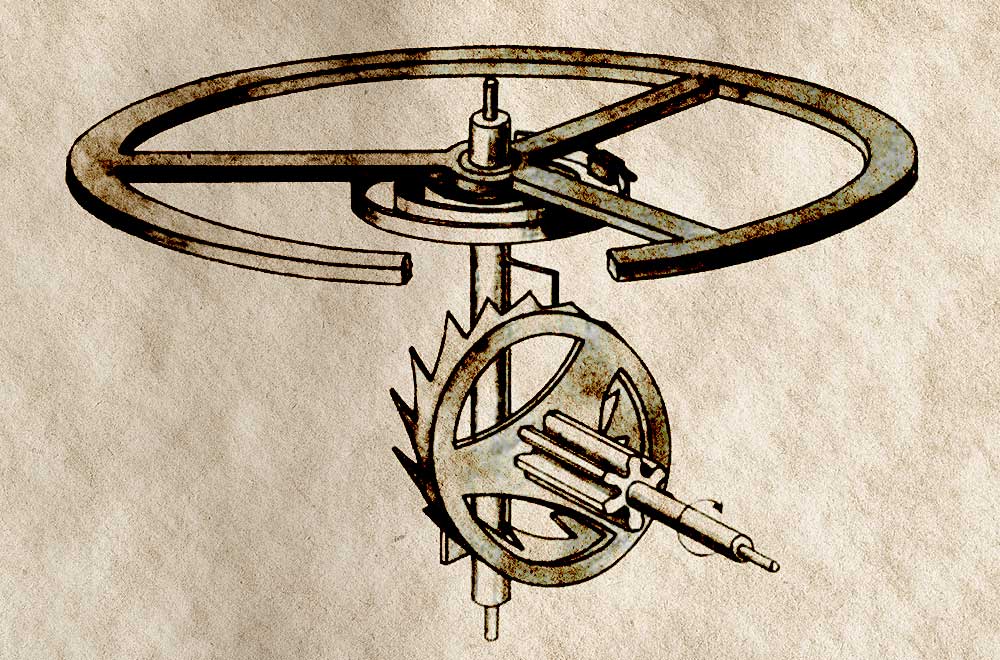
The verge escapement consists of a crown wheel, which is connected to the mainspring or weight, and a verge, which is a vertical rod that oscillates back and forth. The pallets, which are mounted on the verge, engage with the teeth of the crown wheel, causing the verge to oscillate and transmit power to the timekeeping mechanism.

The pallets are angled so that they release the crown wheel in one direction but engage it in the other, causing the balance to oscillate. The verge escapement is a very simple and robust design, but it is relatively inaccurate and is highly affected by changes in temperature and position.

Mechanics of the Verge Escapement

Variations of the Verge Escapement

Over the centuries, a number of variations of the verge escapement were developed in order to improve its accuracy and reliability. These include the horizontal verge escapement, the cylinder escapement, the duplex escapement, and the Massey escapement.

The cylinder escapement uses a cylindrical escape wheel and a pallet fork with radial arms to engage with the wheel. The duplex escapement uses two escape wheels to improve accuracy and reduce positional errors, while the Massey escapement uses an additional tooth on the escape wheel to improve accuracy.

Mechanics of the cylinder escapement
Mechanics of the duplex escapement
Mechanics of the Verge Escapement

Advantages and Disadvantages of the Verge Escapement

The verge escapement has several advantages and disadvantages. On the one hand, it is a very simple and robust design, and it is relatively easy to manufacture and repair. It is also visually appealing, with its distinctive tick-tock sound and the mesmerizing oscillation of the verge.

On the other hand, the verge escapement is relatively inaccurate and is highly affected by changes in temperature and position. It also requires frequent oiling and maintenance in order to function properly.

Significance of the Verge Escapement

The verge escapement played a crucial role in the development of mechanical clocks and watches, and it represents an important milestone in the history of horology. The simplicity and robustness of the verge escapement made it possible for clockmakers and watchmakers to create timepieces that could be produced on a large scale, which in turn made timekeeping accessible to a wider range of people.

Today, the verge escapement is no longer widely used in modern mechanical watches, but it remains an interesting and important part of the history of timekeeping. Many antique clocks and watches with verge escapements are still in use today and are highly valued by collectors.

Conclusion

The verge escapement is an important part of horological history, and it played a crucial role in the development of mechanical clocks and watches. While it is no longer widely used today, it remains an interesting and important part of the history of timekeeping. Whether you love or hate the distinctive tick-tock sound it produces, there’s no denying the impact that the verge escapement has had on the world of horology.

To top