Early German pocket watch with quarter hour repetition Circa 1720
- Kenmerk
- HC0546
- Diameter
- 57 mm
- Estimate
- € 3.500 - 7.000
- Price sold
- € 4.200
Double case pocket watch with beautiful iron hands
–
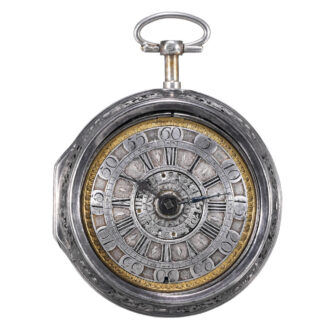
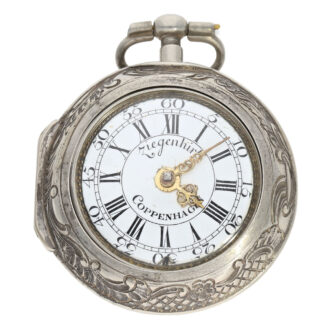
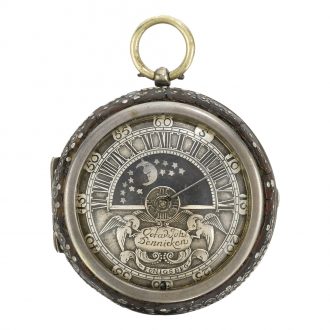
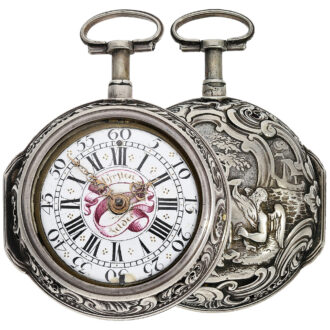
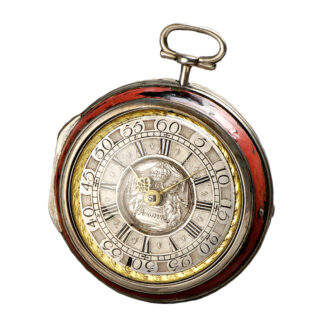
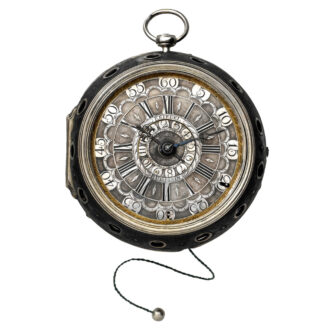
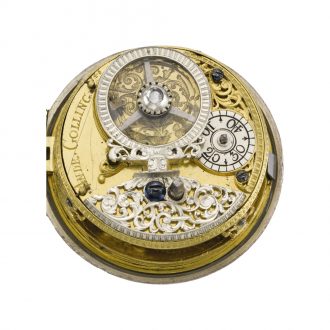
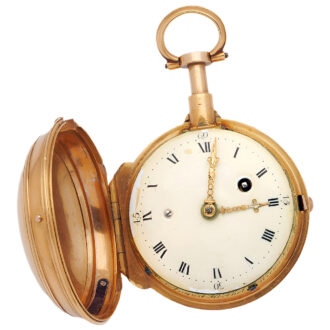
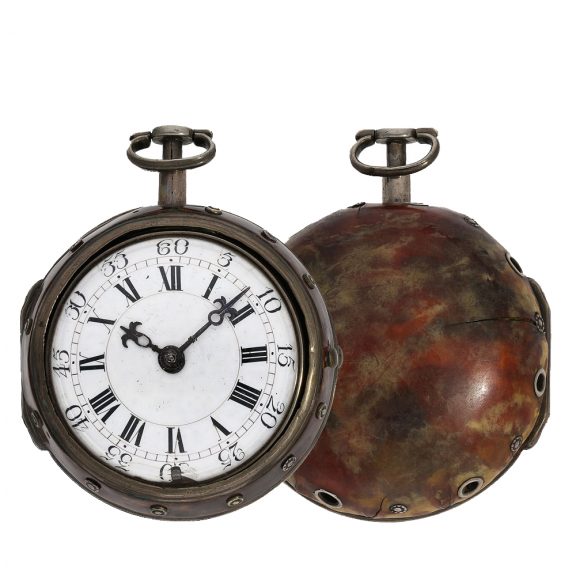
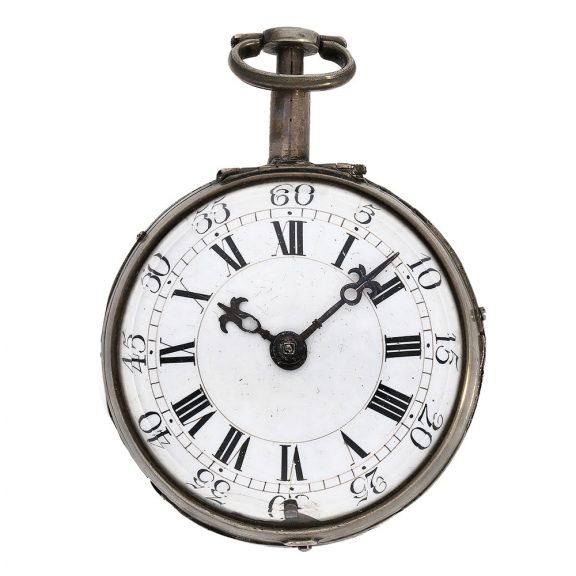
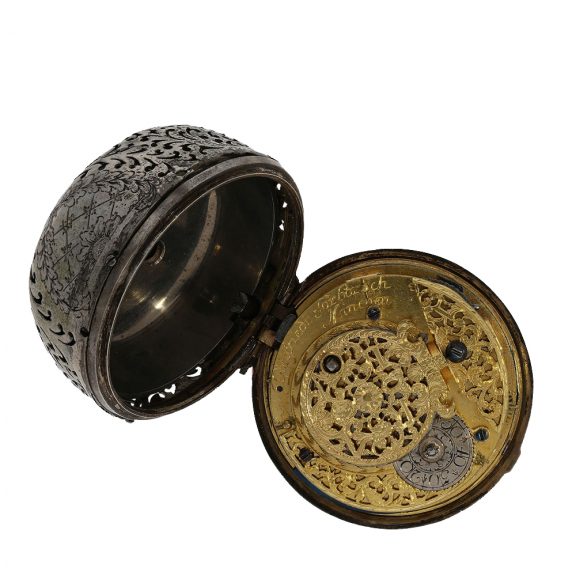
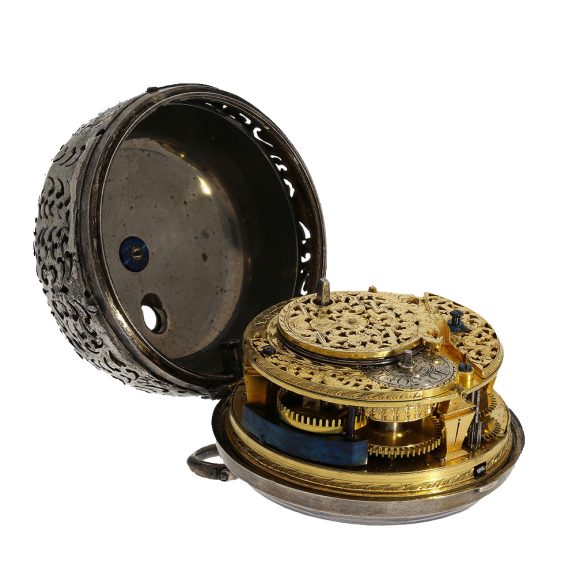
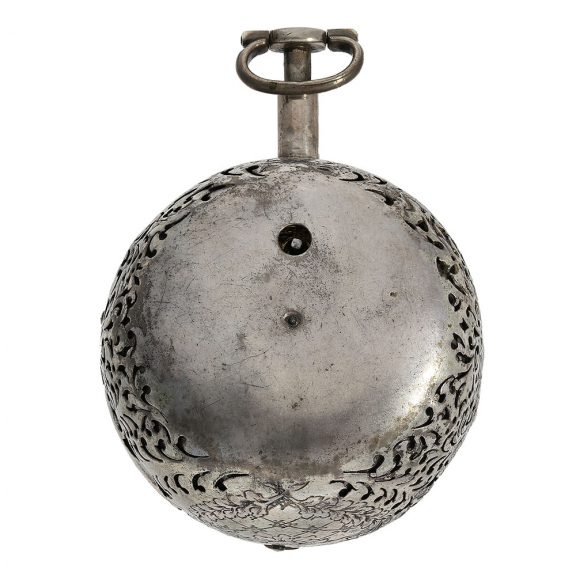
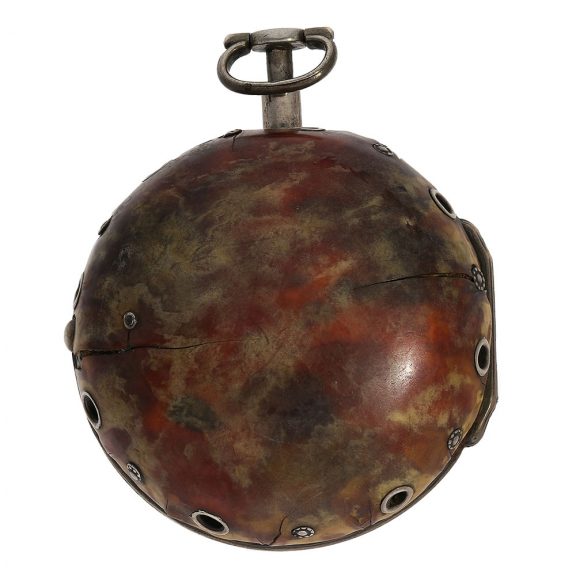
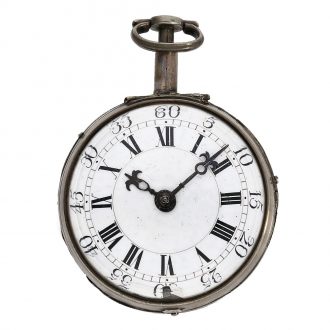
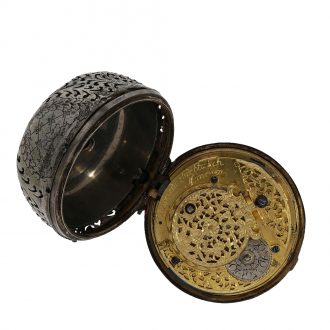
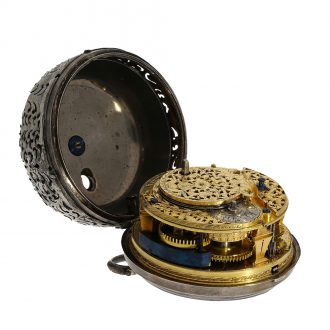
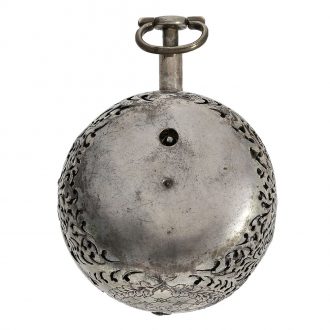
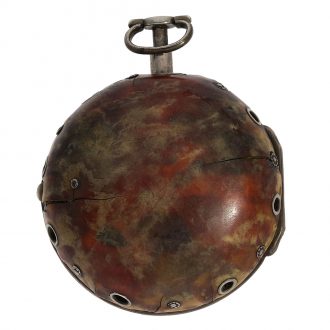
An early pocket watch with quarter hour repetition, made by Gottfried Torborch in München, Germany, circa 1720. The timepiece is crafted from exquisite silver and boasts a double case design. The outer case is adorned with the luxurious and timeless beauty of tortoiseshell, while the inner case showcases an intricate pierced pattern. The white enamel dial has an outer ring featuring bold black Arabic numerals to indicate the minutes and an inner ring showcasing elegant black Roman numerals for the hours and exceptional iron hands. The fire gilded movement lies at the heart of this watch, showcasing both technical prowess and aesthetic beauty and featuring a verge escapement of exceptional quality, ensuring precise and reliable timekeeping. It also has Egyptian pillars that support the movement and a quarter hour repeater on a bell.
–
Diameter: 56.5 mm
–
Weight: 195 g
–
Signed: Gottfried Torborch, München
–
Gottfried Torborch originally came from Danzig. In 1685 he acquired citizenship in Munich and full master’s rights as a watchmaker. Numerous Torborch clocks are now in important museums and private collections.
–
Fire gilded
Fire gilding, also known as mercury gilding or ormolu, is a traditional finishing technique used in pocket watch making. It involves applying a thin layer of gold to the surface of the watch using a process that involves heating the gold and mercury mixture. Here are some benefits of using fire gilding as a finishing technique in pocket watch making:
Aesthetic Appeal: Fire gilding produces a lustrous and luxurious gold finish, enhancing the overall appearance of the pocket watch. The gold layer adds a touch of elegance and sophistication to the timepiece.
Durability: The gold layer created through fire gilding is highly durable and resistant to tarnishing. It provides a protective coating that helps prevent corrosion and wear, ensuring the longevity of the pocket watch.
Detail Enhancement: Fire gilding allows for intricate detailing on the surface of the pocket watch. The gold layer can be meticulously applied to highlight specific design elements, such as engravings or decorative patterns, adding depth and visual interest to the timepiece.
Prestige and Value: Pocket watches finished with fire gilding often hold greater value and prestige due to the craftsmanship involved. The labour intensive nature of the technique, along with the use of gold, adds to the desirability and collectability of these timepieces.
Historical Significance: Fire gilding has been used in watchmaking for centuries and is deeply rooted in horological traditions. By utilizing this traditional technique, pocket watches can pay homage to the historical craftsmanship and techniques of the past.
It’s important to note that fire gilding involves the use of mercury, which is toxic and poses health risks if not handled properly. Therefore, modern watchmaking techniques have shifted towards safer alternatives, such as electroplating or PVD (Physical Vapor Deposition) coating, to achieve similar aesthetic effects without the use of mercury.
Signed: Gottfried Torborch, München
Share this page: