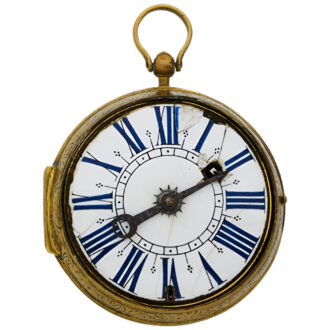
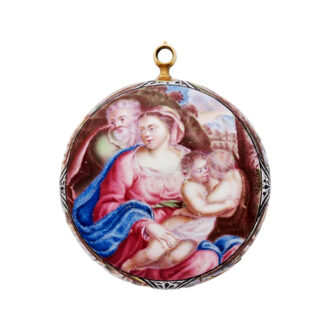
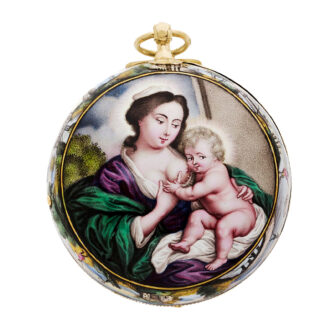
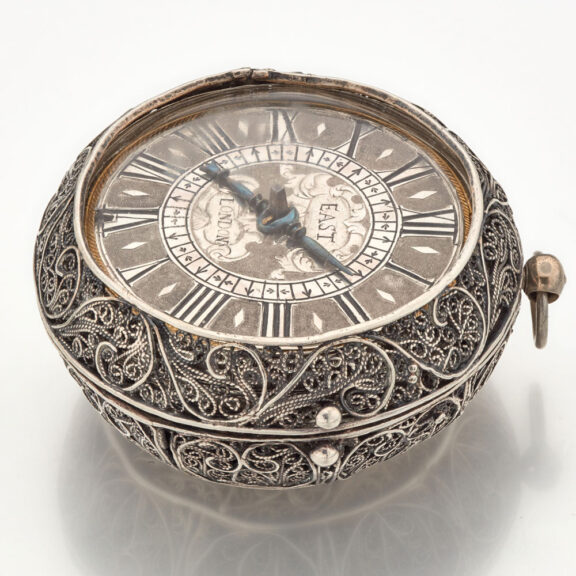
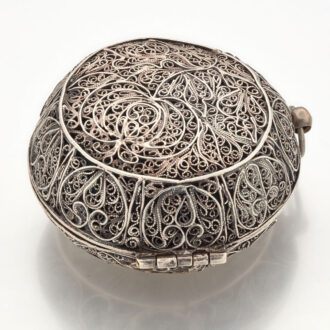
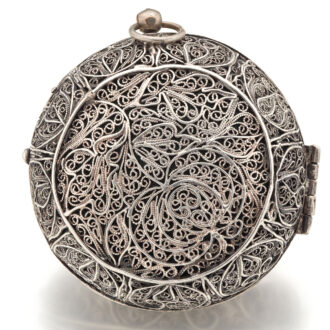
Rare and early English silver filigree clock watch Circa 1650
- Kenmerk
- ZF0158
- Diameter
- 54 mm
- Estimate
- € 20.000 - 40.000
- Price sold
- € 28.250
Rare early silver self striking watch by Edwardus East
–
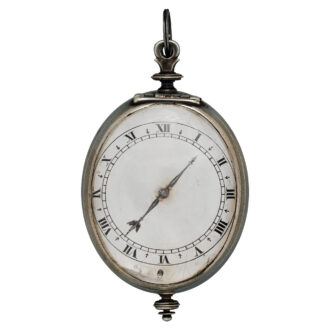
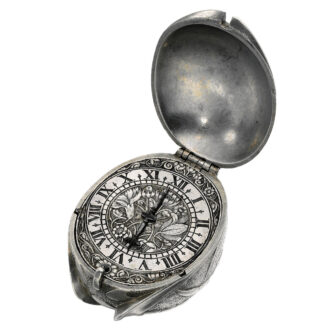
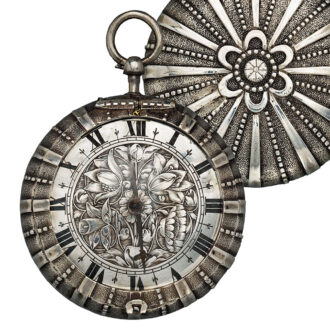
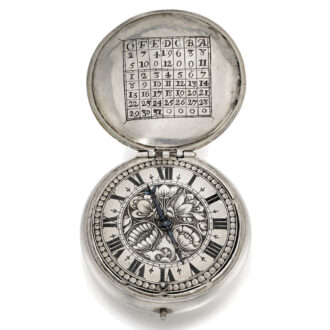
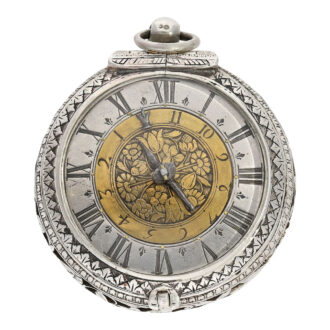
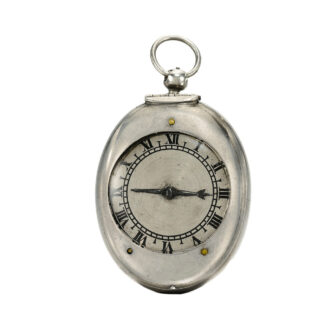
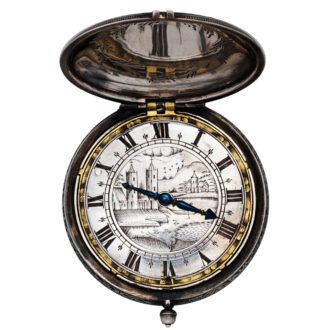
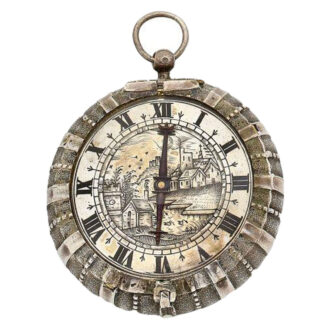
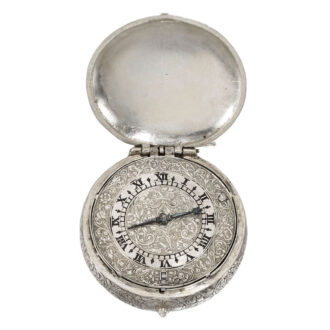
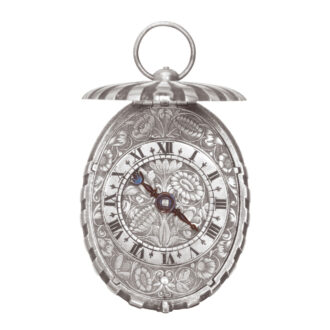
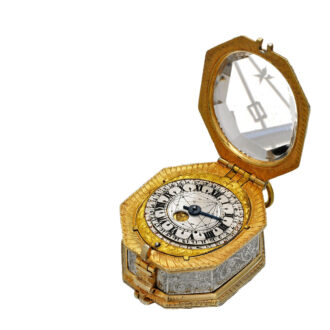
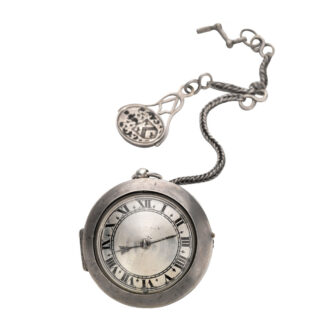
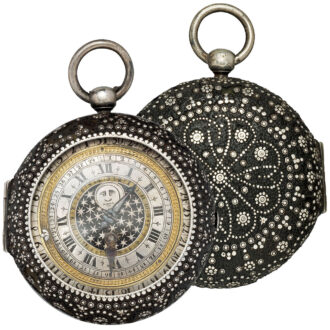
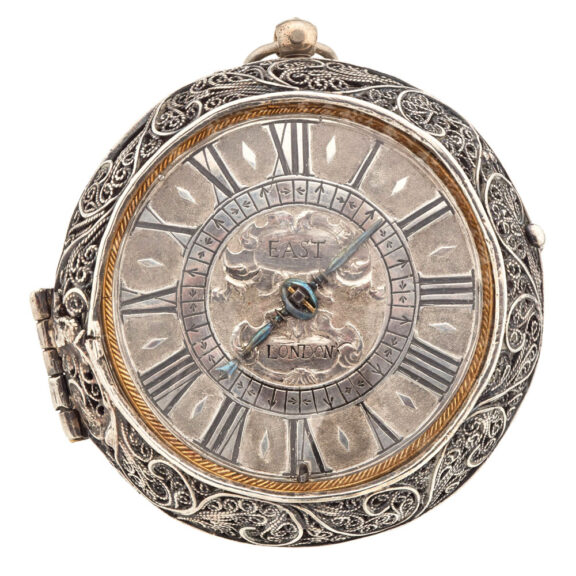
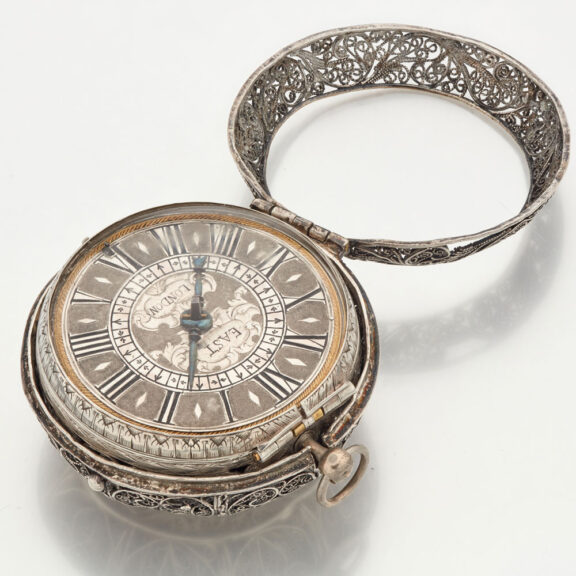
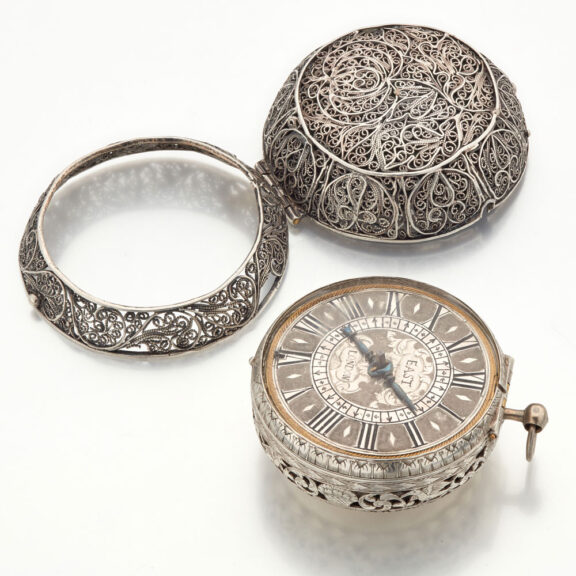
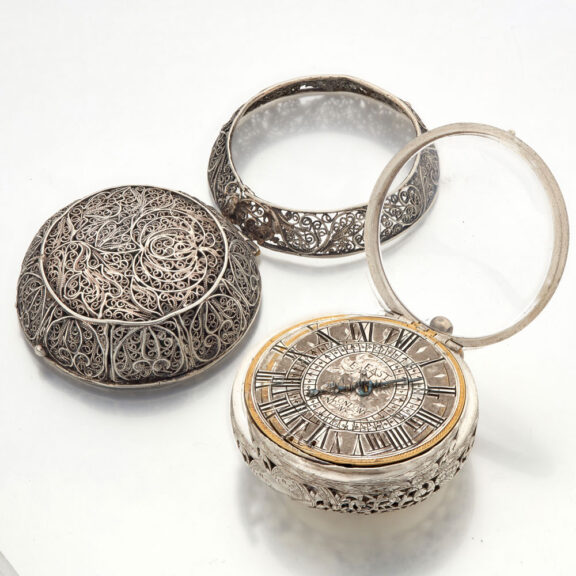
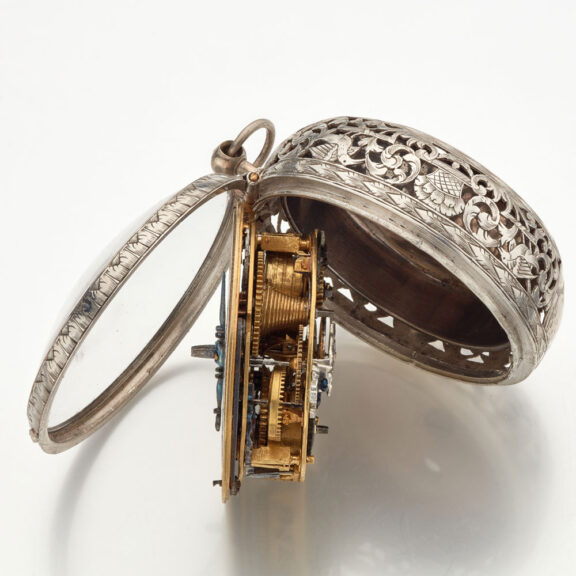
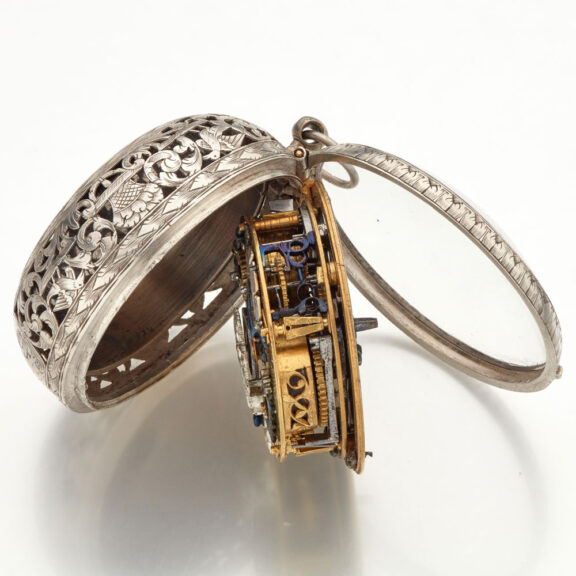
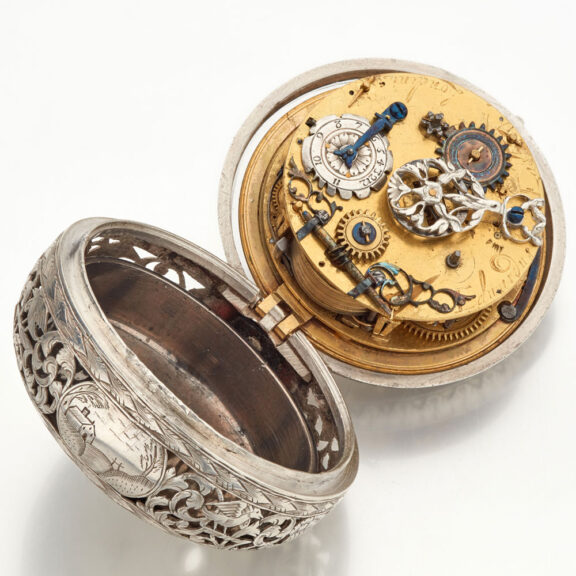
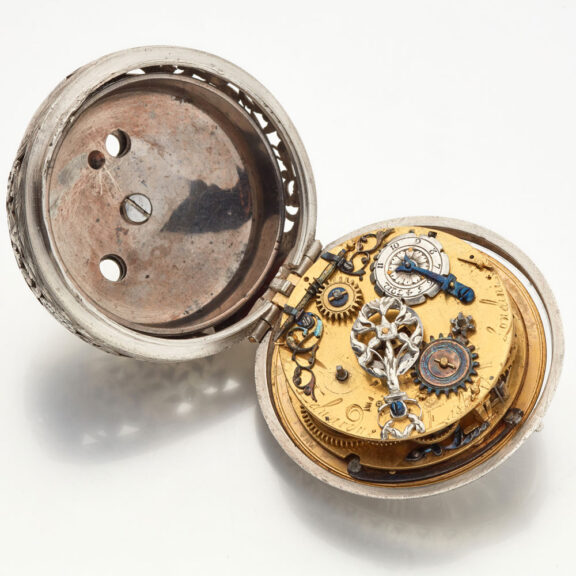
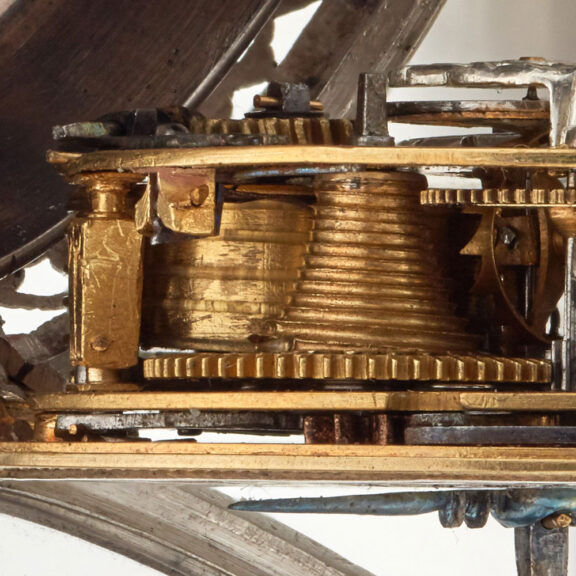
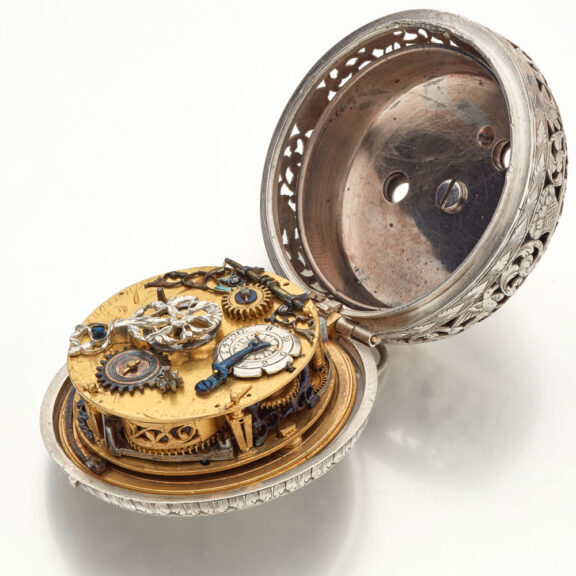
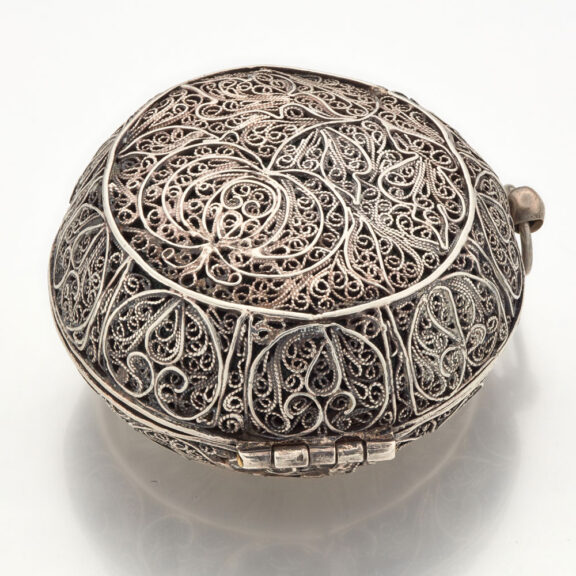
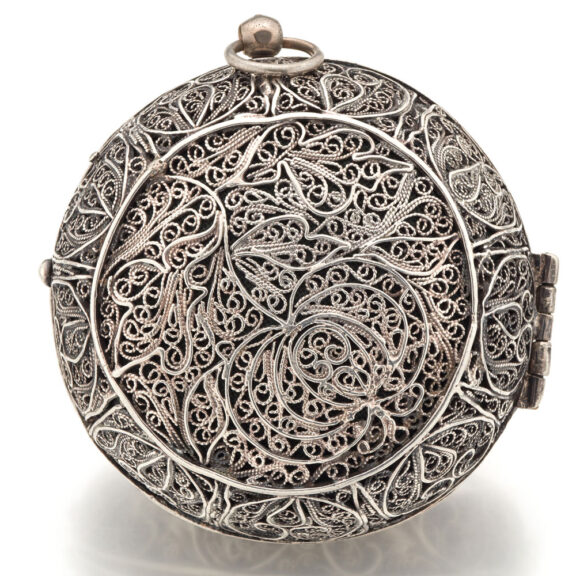
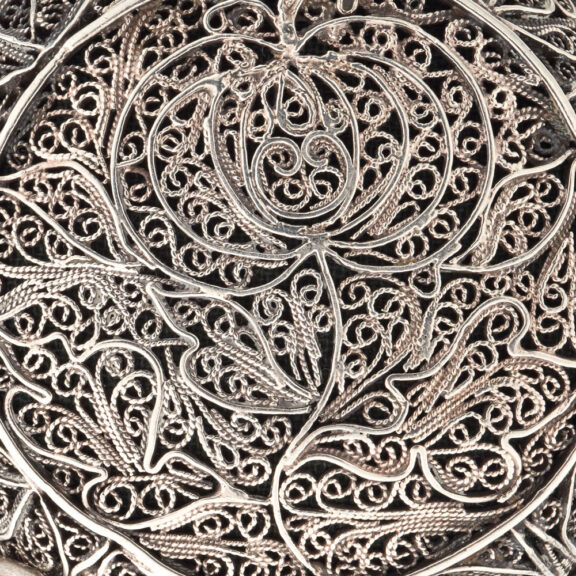
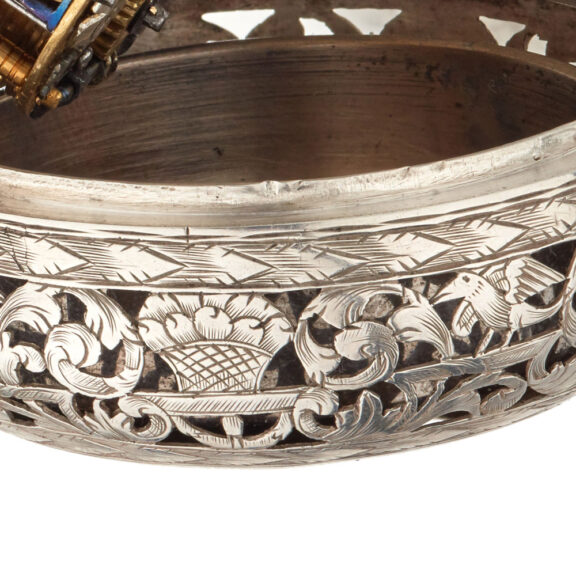
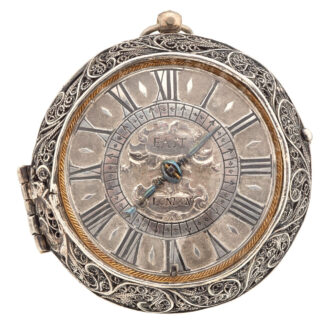
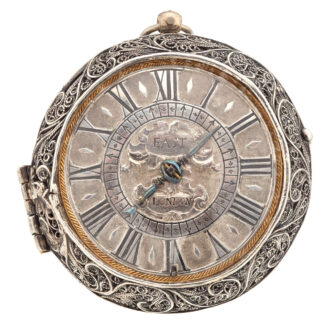
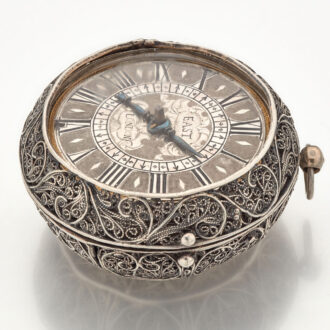
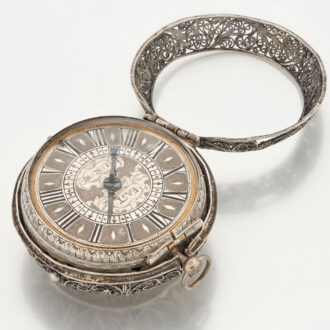
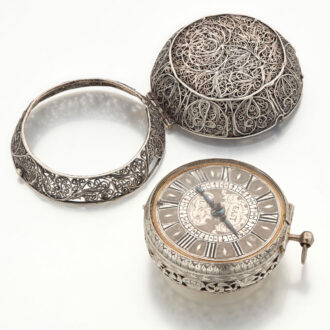
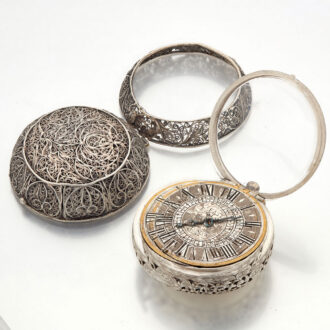
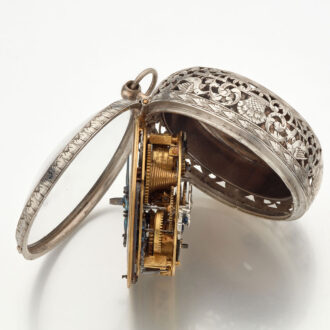
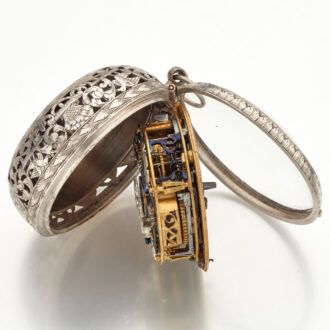
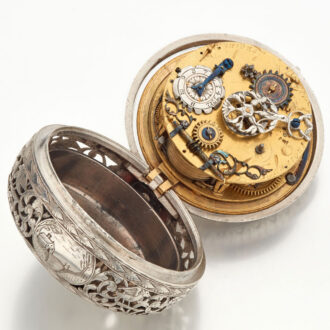
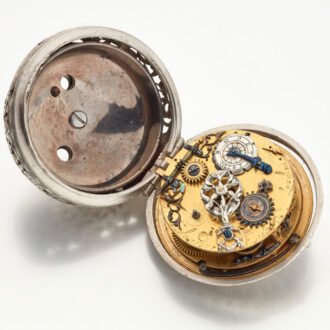
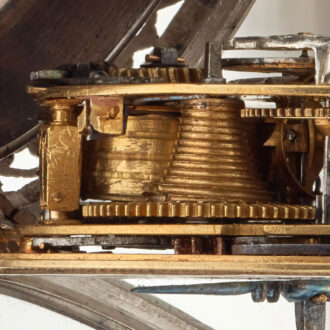
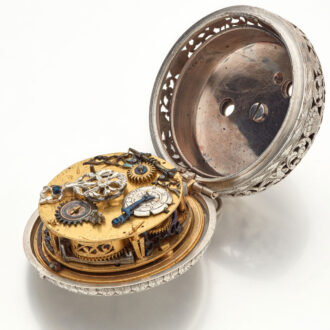
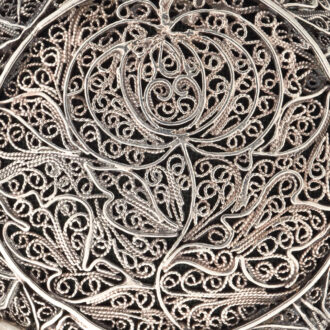
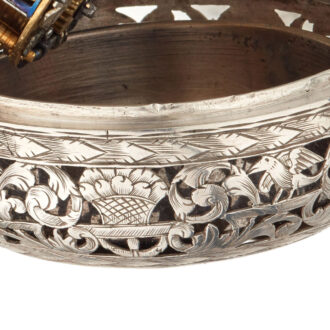
A very rare and early filigree English silver pair cased pre balance spring clock watch, circa 1650. Gilt verge movement, the silver balance cock pierced and engraved, blued steel worm and wheel set-up, silver regulator disc, fusee and gute line, split Egyptian pillars. Hour striking and forced half-hour striking.
Inner case pierced and engraved with foliage and birds. Filigree silver outer case.
Silver champlevé dial, blued steel tulip form single hand, champlevé Roman numerals inside the large chapter with five-minute divisions.
–
Diameter: 54 mm
–
Weight: 131 g
–
Signed: Edwardus East Londini
–
Without question one of the most important of early English watchmakers, Edward East was born in Southill, Bedfordshire in 1602. At the time there was no Clockmakers’ Company and so, in 1618, the young East was apprenticed to Richard Roger of the Goldsmiths’ Company, becoming a Freeman in 1627. In 1631 the Clockmakers’ Company was formed by Royal Charter and Edward East became one of the Company’s first assistants a year later, in 1632. East was made Warden of the Clockmakers’ Company in 1638 and Master in both 1645 and 1653. In 1660 he was appointed chief clockmaker to King Charles II.
–
In October 1692, East gave £100 to the Clockmakers’ Company with the interest to be used to support poor members. The Early Clockmakers of Great Britain, 1981, p. 206. Edward East lived through almost the entire 17th century and died in 1697, leaving an extraordinary legacy of exceptional watches and clocks.
–
Interestingly, a clock watch (without alarm) by Edward East can be found in the Royal Collections and is said, by tradition, to have been bequeathed by King Charles I on the day of his execution (30th January 1649) to Sir Thomas Herbert. Herbert had been a companion of the King in the months before his death and that watch later passed through the Herbert and Mitford families before entering the Royal Collections as a gift to Queen Elizabeth II in 1971.
–
Reference 0150000
–
A very rare and early filigree English silver pair cased pre balance spring clock watch, circa 1650. Gilt verge movement, the silver balance cock pierced and engraved, blued steel worm and wheel set-up, silver regulator disc, fusee and gute line, split Egyptian pillars. Hour striking and forced half-hour striking.
Inner case pierced and engraved with foliage and birds. Filigree silver outer case.
Silver champlevé dial, blued steel tulip form single hand, champlevé Roman numerals inside the large chapter with five-minute divisions.
–
Diameter: 54 mm
–
Weight: 131 g
–
Signed: Edwardus East Londini
–
Without question one of the most important of early English watchmakers, Edward East was born in Southill, Bedfordshire in 1602. At the time there was no Clockmakers’ Company and so, in 1618, the young East was apprenticed to Richard Roger of the Goldsmiths’ Company, becoming a Freeman in 1627. In 1631 the Clockmakers’ Company was formed by Royal Charter and Edward East became one of the Company’s first assistants a year later, in 1632. East was made Warden of the Clockmakers’ Company in 1638 and Master in both 1645 and 1653. In 1660 he was appointed chief clockmaker to King Charles II.
–
In October 1692, East gave £100 to the Clockmakers’ Company with the interest to be used to support poor members. The Early Clockmakers of Great Britain, 1981, p. 206. Edward East lived through almost the entire 17th century and died in 1697, leaving an extraordinary legacy of exceptional watches and clocks.
–
Interestingly, a clock watch (without alarm) by Edward East can be found in the Royal Collections and is said, by tradition, to have been bequeathed by King Charles I on the day of his execution (30th January 1649) to Sir Thomas Herbert. Herbert had been a companion of the King in the months before his death and that watch later passed through the Herbert and Mitford families before entering the Royal Collections as a gift to Queen Elizabeth II in 1971.
–
Reference 0150000
Signed: Edwardus East Londini
Share this page: