Swiss deck watch with chronograph for the U.S. Army Circa 1920
- Kenmerk
- AD5141
- Diameter
- 52 mm
- Estimate
- € 2.500 - 3.500
- Price sold
- € 2.500
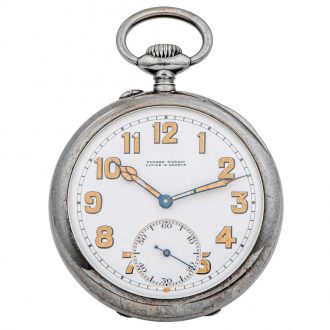
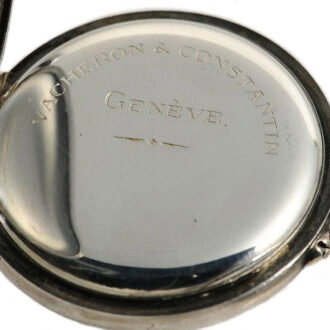
Silver open faced deck watch by Vacheron & Constantin
–
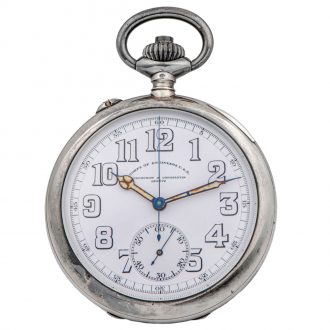
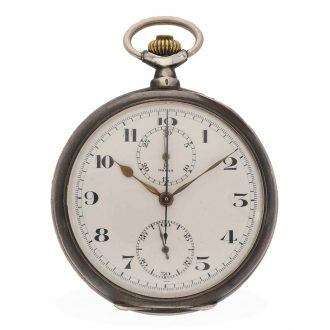
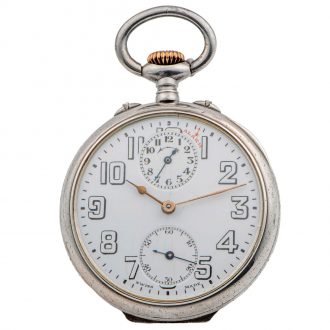
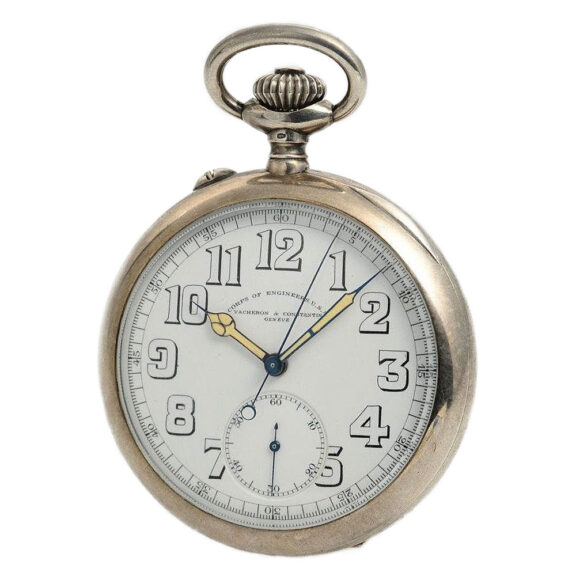
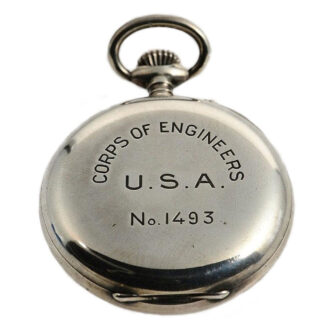
A Swiss deck watch with chronograph, made for the U.S. Army Corps of Engineers, circa 1920.
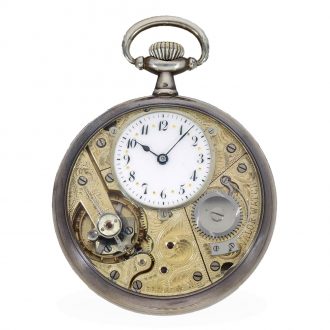
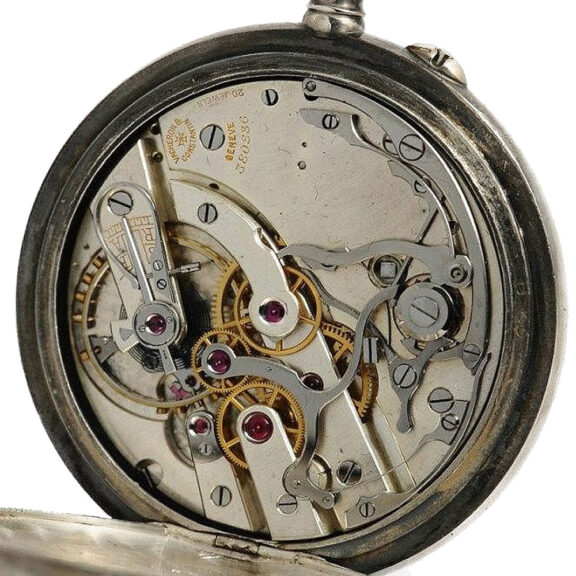
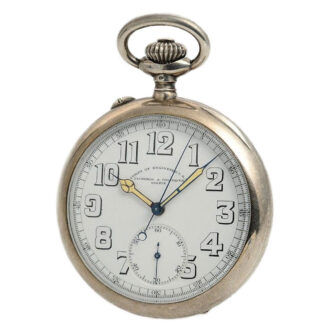
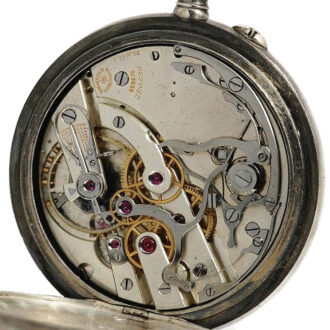
Silver polished and engraved case. Signed enamel dial with Arabic numerals, auxiliary seconds, centre chronograph hand, blued luminous hands. 2/3 plate movement, rhodium-plated, ground, signed, with 20 finely ground jewels, bevelled chronograph steel parts, ratchet wheel, screw compensation balance and index spring fine adjusting device.
–
Diameter: 52 mm
–
Weight: 111 g
–
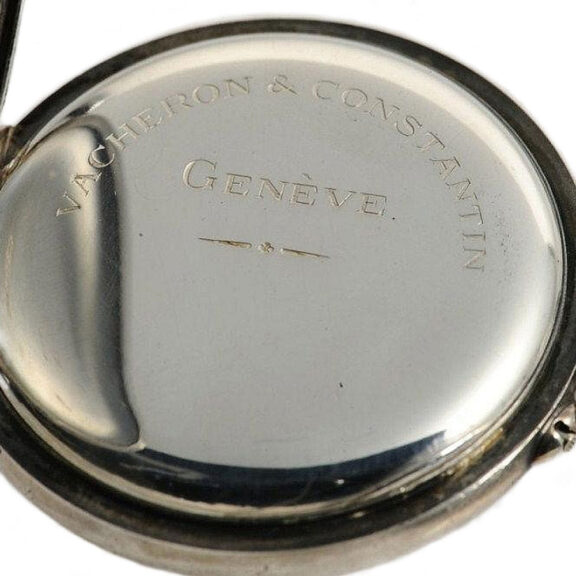
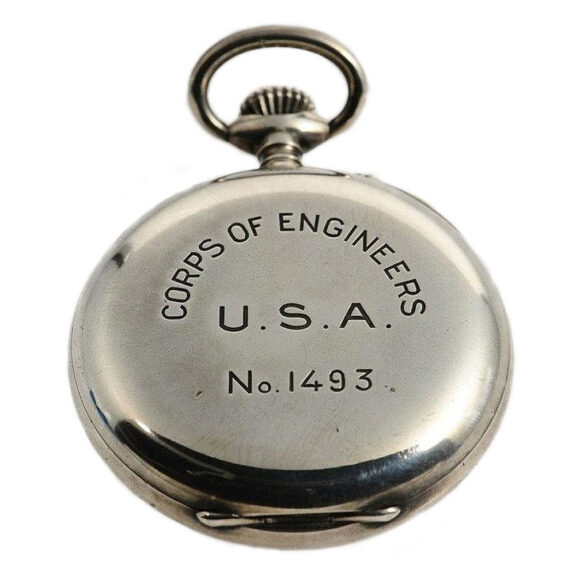
Signed: Vacheron & Constantin à Genève, “Corps of Engineers USA No. 1493”
–
U.S. Army Corps of Engineers The history of the U.S.
Army Corps of Engineers goes back to June 16, 1775, when the second Continental Congress created an army with a chief engineer and two assistants. General George Washington’s first chief engineer was Colonel Richard Gridley. Finally, in 1779 a separate Corps of Engineers was created by the American Congress. Since that day the Corps of Engineers has been involved in all U.S. military actions – from the American Revolution where it played a pivotal role in battles such as Saratoga and the final victory at Yorktown with the help of a number of French officers, until the modern day actions in Iraq. The U.S. Congress has charged the Corps of Engineers from its first day on with construction and works “of a civil nature”. Throughout the 19th and 20th centuries the Corps of Engineers has been instrumental in overseeing the construction of coastal fortifications, lighthouses, dams and other heavy engineering projects as well as major harbour constructions. In the 19th century the Corps was responsible for the mapping of the majority of the American West and of the American navigational channels.
–
The many diverse activities of the Corps called for a robust and accurate chronograph, which prompted the head of the U.S.Expeditionary Force in Bern to request that Vacheron Constantin produce a prototype for field use. The watch was to have a silver case, a white dial with luminous Arabic numerals and hands, and a simple chronograph movement without counter. Vacheron Constantin produced two prototypes and delivered them on May 8, 1918; an order for 5,000 pieces was issued the very same day. The original order stated that lots of 100 watches were to be delivered per month, or even 150-200 whenever available. A total of 3,289 watches was delivered between July 1918 and the end of 1919, so that the contract was considered to have been met. Vacheron Constantin archives indicate that the company also made wristwatches with silver cases and gold buckles for the Corps of Engineers
Signed: Vacheron & Constantin à Genève, “Corps of Engineers USA No. 1493”
Share this page: